
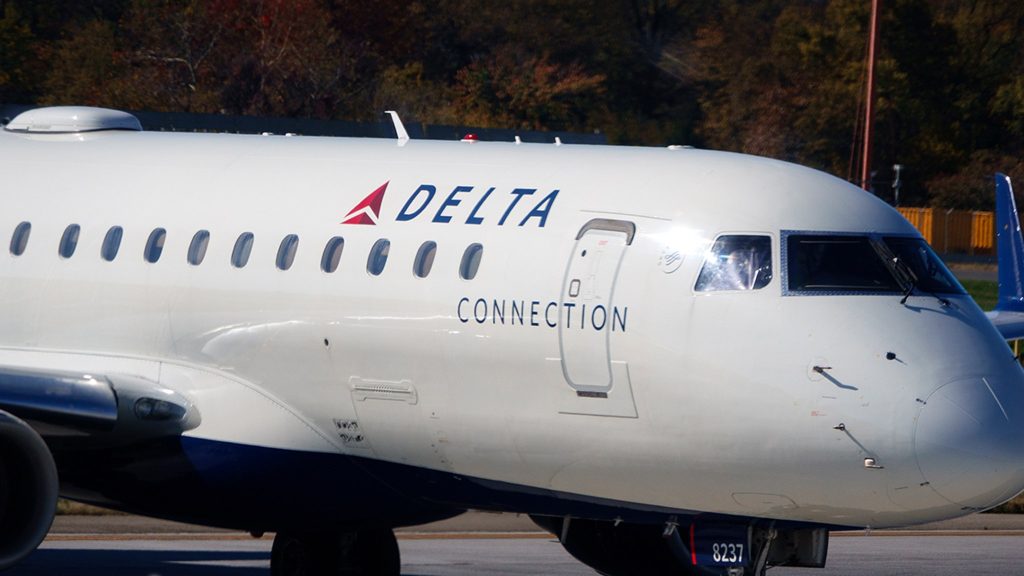
A critical technical failure in automated systems forced Delta Air Lines to rely on manual procedures, sparking widespread travel disruptions and holiday flight delays just days before Thanksgiving. The massive IT glitch originated in the airline's weight-and-balance tracking tools, halting normal operations at major hubs and stranding thousands of passengers across the United States during one of the busiest travel periods of the year.
Key Points:
- A weight-and-balance system failure at Hartsfield-Jackson Atlanta International Airport triggered ground stops and thousands of flight delays nationwide.
- FlightAware tracked over 1,160 delayed Delta flights on Sunday morning as manual safety calculations slowed departures.
- California hubs experienced severe bottlenecks, including 55 delayed flights at Los Angeles International Airport and 25 at San Francisco International Airport.
- Delta engineering teams deployed manual workarounds while working to restore full automation to affected airport systems.
- The incident arrived on the heels of a previous federal air traffic control communications overload that caused nearly 18,000 cancellations.
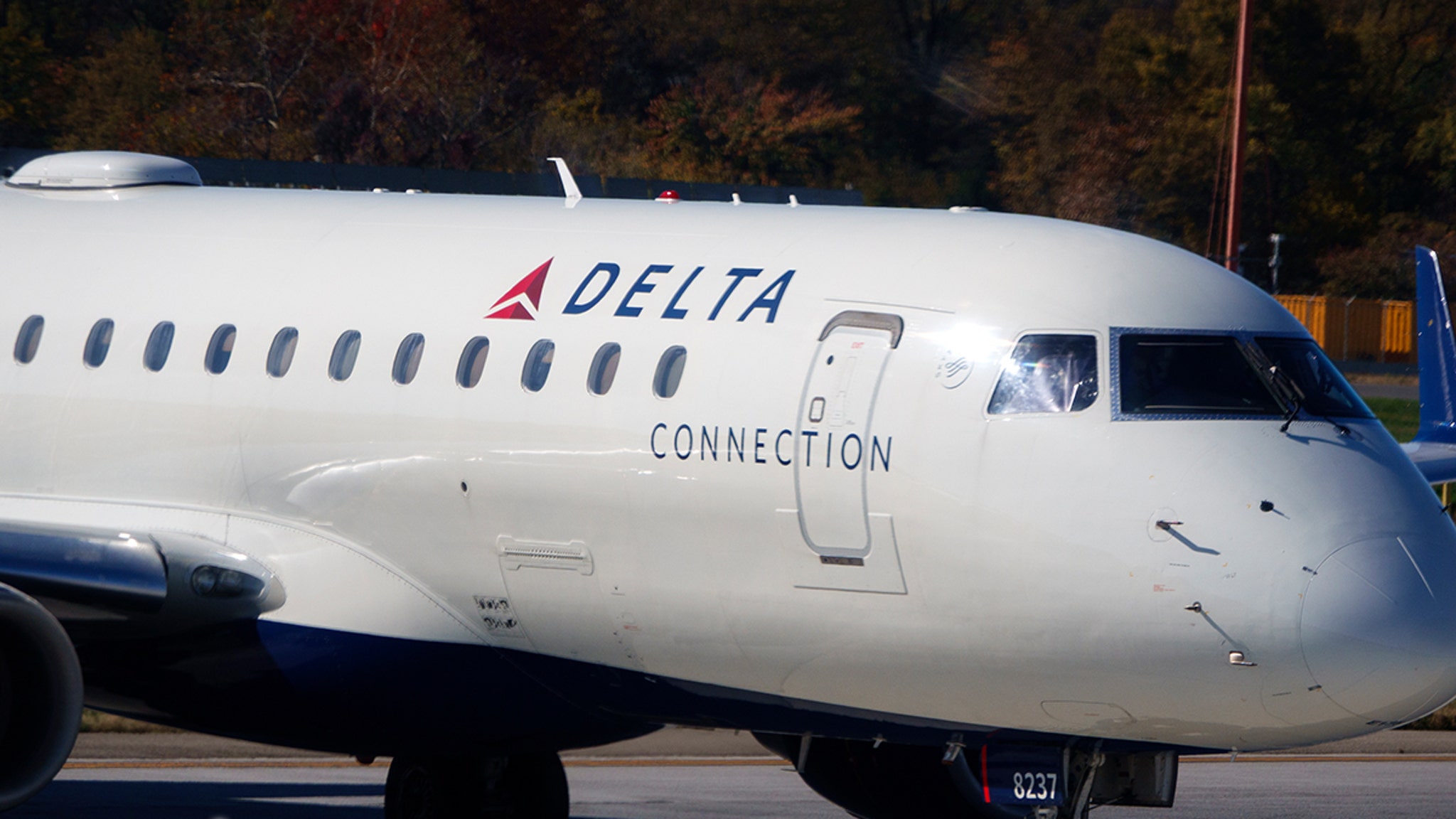
What Caused the Delta Air Lines Outage?
The nationwide travel disruption stemmed from an unexpected software failure within the proprietary automated platform responsible for tracking aircraft weight and center-of-gravity configurations prior to departure. According to New York Post reporting, airline personnel were forced to revert to time-consuming manual math checks for every departing aircraft. This safety protocol created massive operational bottlenecks at primary transit hubs.
The Federal Aviation Administration initially issued strict traffic halts at the Atlanta hub before downgrading restrictions to a standard ground delay. Aviation analysts note that safety regulations prohibit commercial aircraft from departing without verified weight logs, making automation failures uniquely disruptive to airline schedules.
How Did Airports Handle the Holiday Chaos?
Major airports across the country implemented emergency queue management strategies as delayed flights rippled through domestic and international connections. California terminals experienced acute congestion, with local transportation authorities urging domestic passengers to arrive at least two hours ahead of scheduled boarding times.
Airport officials advised travelers to monitor real-time flight statuses and utilize dedicated cell phone waiting lots rather than circling crowded arrival curbs. Ground crews worked alongside airline representatives to process stranded passengers, while digital flight boards displayed rolling delays throughout Sunday afternoon.
| Airport Hub | Delayed Flights | Operational Status |
|---|---|---|
| Atlanta (ATL) | 835+ | Manual workarounds active |
| Los Angeles (LAX) | 55 | Heavy terminal congestion |
| San Francisco (SFO) | 25 | Normalizing slowly |
Why It Matters and What Happens Next
This systemic IT failure highlights the fragility of legacy software infrastructure powering modern commercial aviation during peak demand periods. As airlines increasingly rely on centralized digital tools, minor glitches can paralyze national transportation networks within hours. Technical teams continue working to stabilize core automation servers, but industry observers warn that residual schedule adjustments could persist for days.
Passengers holding holiday tickets are encouraged to verify departure details directly through carrier applications before heading to local terminals. Federal regulators are expected to review the recurring technical failures that have repeatedly disrupted air travel schedules over the past several months.
Background and Industry Context
The Thanksgiving travel season consistently ranks as the busiest period for American transportation infrastructure, with millions of passengers navigating major airport hubs. This latest incident follows a troubling series of operational setbacks for major carriers, including recent air traffic control communication overloads and unexpected mid-air emergencies. Industry leaders face mounting pressure from consumer advocacy groups to modernize core infrastructure and upgrade disaster recovery protocols before upcoming holiday surges.
What impact will this World News development have over the next 12 months?
Reader poll (non-scientific). Share your perspective below or join the discussion in the comments.