
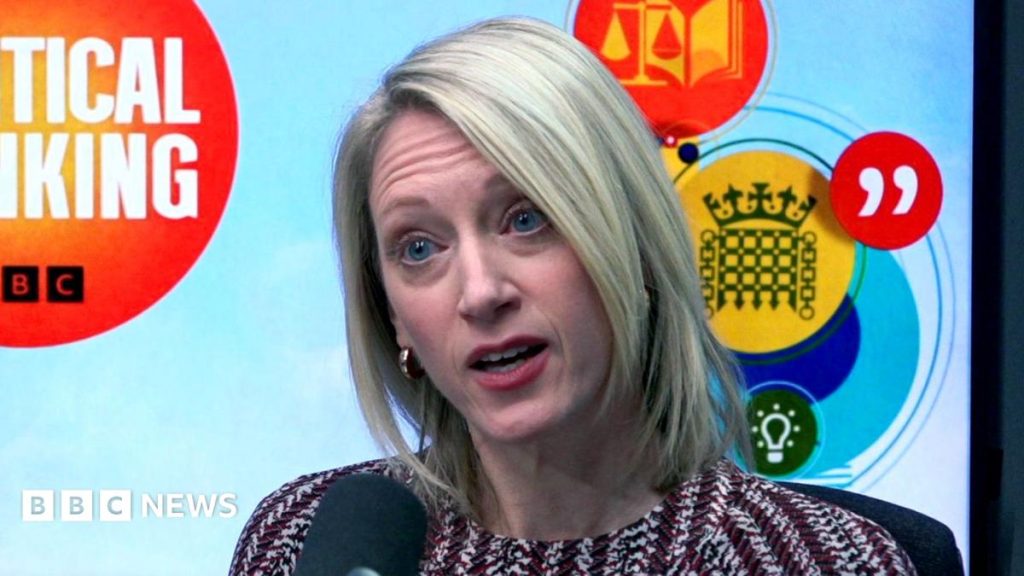
London crime victims face severe systemic failures across the justice framework, according to a stark assessment released by BBC reporting on statements from Victims' Commissioner Claire Waxman. The findings highlight that inadequate state protection and plunging confidence are leaving citizens unprotected at every critical stage of the legal process, demanding urgent government intervention.
Key Points:
- Victims' Commissioner Claire Waxman published findings indicating that the state is failing to keep the public safe.
- Recent reporting by BBC reveals that nearly one in four crime victims no longer bothers contacting police.
- Data from Sky News underscores widespread dissatisfaction at every step of the criminal justice system.
- Analysis by The Telegraph highlights declining trust in law enforcement response times and investigative follow-through.
Last updated: November 2026 UTC
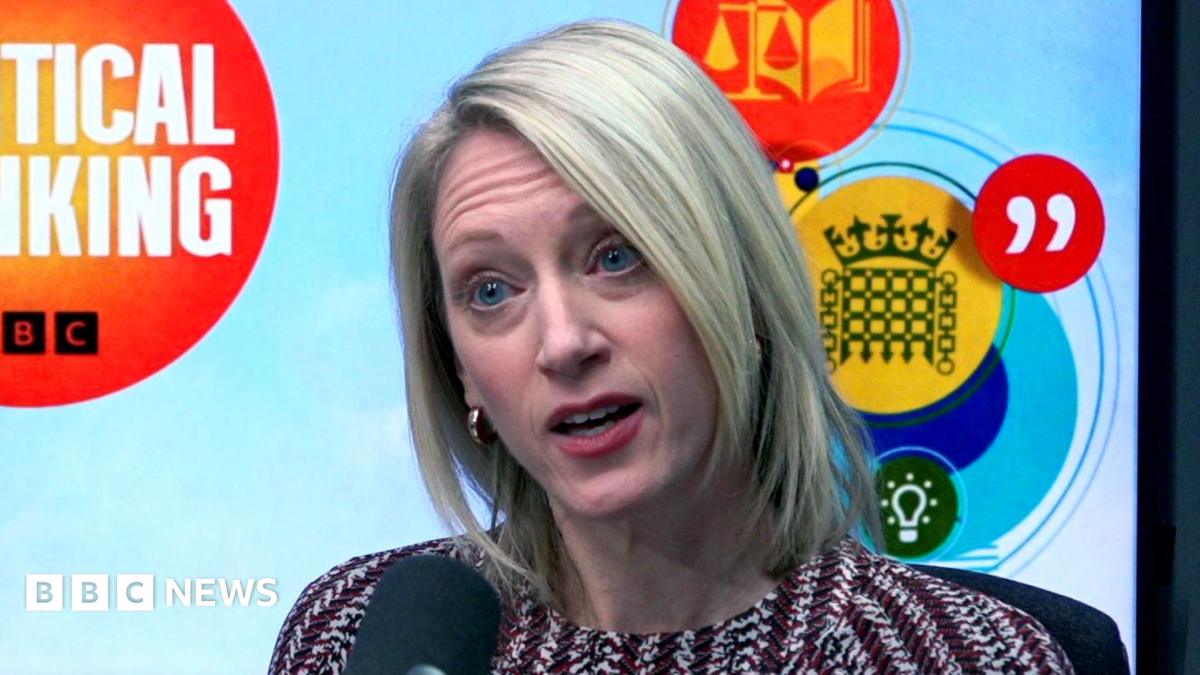 Victims' Commissioner Claire Waxman has warned that public safety measures require sweeping legislative reform.
What Specific Failures Did Claire Waxman Highlight in the Report?
Claire Waxman emphasized that chronic underfunding and procedural backlogs have left vulnerable citizens without essential support structures during active police investigations. According to BBC coverage, victims frequently experience prolonged delays, poor communication from statutory agencies, and a pervasive sense of abandonment by the criminal justice apparatus.
The Commissioner's review points to systemic coordination breakdowns between police forces, crown prosecutors, and victim support charities. These bottlenecks compromise evidence gathering and inflict secondary trauma on individuals seeking legal recourse.
Why Are Crime Victims Losing Confidence in British Policing?
Plunging public trust stems directly from falling charge rates, protracted court delays, and a widespread perception that low-level offenses receive minimal investigative attention. Data cited by The Telegraph indicates that approximately 25% of victims choose not to report crimes because they believe nothing will be done.
This erosion of trust creates a dangerous feedback loop where under-reporting distorts official crime statistics, leading policymakers to misallocate resources away from communities facing high victimization rates.
How Do Current Justice Metrics Compare to Historical Standards?
Evaluating long-term trends reveals significant deterioration in case progression speeds and victim satisfaction scores across England and Wales. The table below outlines key statistical benchmarks comparing current performance against historical averages.
| Performance Metric | Historical Benchmark | Current Status (2026) | Trend Direction |
|---|---|---|---|
| Victims reporting loss of trust | 15% (2018 average) | 25% (Recent figures) | Significantly Worse |
| Average court case backlog | 35,000 cases | 60,000+ cases | Increasing Delays |
| Police investigative satisfaction | 58% approval | 41% approval | Declining Support |
For additional perspective on how administrative backlogs impact institutional efficiency, consult our analysis on legal system reforms and UK crime statistics.
What Reforms Are Being Demanded by Legal Experts?
Legal advocates and stakeholder groups are pushing for enforceable statutory rights for victims, independent oversight of police forces, and ring-fenced funding for specialized support services. Reform proposals emphasize holding criminal justice agencies accountable for meeting mandatory service standards.
Without statutory backing for victim charters, commissioners argue that institutional inertia will continue to undermine public safety initiatives and prevent meaningful cultural change within the judiciary.
Frequently Asked Questions About Claire Waxman and Justice Reform
Who is Claire Waxman?
Claire Waxman serves as the Victims' Commissioner, an independent public office responsible for advocating on behalf of crime victims and reviewing statutory support standards across England and Wales.
What did the BBC report about crime victims?
The BBC reported that Victims' Commissioner Claire Waxman warned the state is failing to keep the public safe, citing widespread dissatisfaction and declining crime reporting rates.
Why are people refusing to call the police?
Roughly one in four victims avoids contacting police because protracted delays, low charge rates, and poor communication lead them to believe investigations will yield no results.
What solutions have been proposed by commissioners?
Experts recommend legally enforceable victim rights, improved inter-agency coordination, and increased funding for specialized support services to rebuild public trust in the legal system.
Image source: https://www.bbc.co.uk/news/articles/cr0jx7dw234jo
What impact will this World News development have over the next 12 months?
Reader poll (non-scientific). Share your perspective below or join the discussion in the comments.