
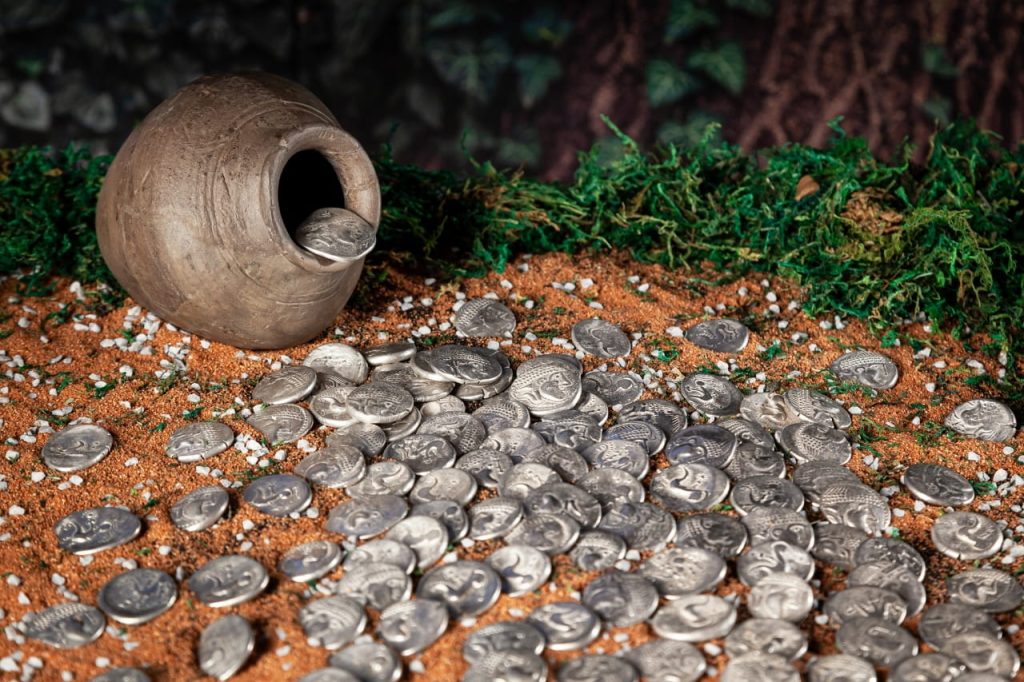
A 2,100-year-old Celtic silver hoard was unearthed under 40 centimeters of soil at a Hungarian substation site, according to Archaeology News Online Magazine. This discovery provides rare physical evidence of ancient trade networks and monetary systems in Central Europe during the Iron Age.
Key Takeaways:
- Archaeologists discovered the Celtic silver hoard just 40 centimeters below the surface at a Hungarian electrical substation site.
- The collection dates back approximately 2,100 years, placing it firmly within the late La Tène period.
- Researchers from local institutions recovered dozens of ancient silver coins and artifacts during the emergency excavation.
- The find highlights crucial historical migration routes and economic activity in the region.
Last updated: November 2026 UTC
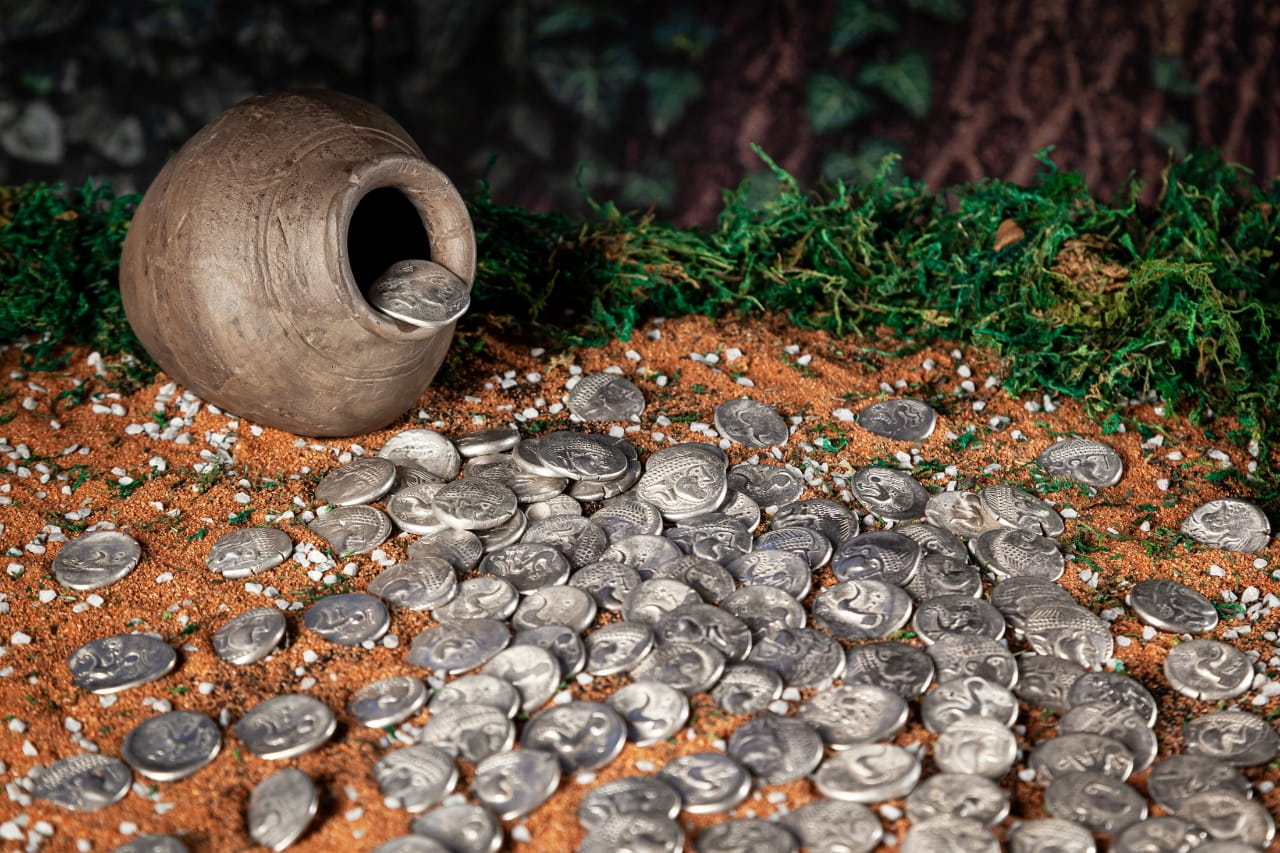
Image source: Archaeology News Online Magazine
What Makes This Celtic Silver Hoard Unique?
This remarkable Celtic silver hoard stands out because construction workers found it unexpectedly during routine groundwork at a modern utility site. Experts analyzed the coins and confirmed their origin dates back to the era of tribal confederations in the Carpathian Basin.
Specialists note that finding such precious metals in a shallow context is extremely rare. Typically, agricultural activity or modern development destroys shallow archaeological layers before experts can document them properly.
How Was the Celtic Silver Hoard Recovered?
Heritage protection officers secured the area immediately after construction crews spotted glinting metal pieces in the displaced earth. Archaeologists rushed to the location to conduct a swift rescue excavation before utility work resumed.
During the dig, team members used specialized trowels and sifters to recover every fragment of the fragile ancient currency. Because weather conditions threatened the site, experts completed the extraction phase within 48 hours.
What Do the Artifacts Reveal About Ancient Trade?
The recovered coins show distinct artistic motifs and weight standards that mimic foreign currency from southern civilizations. Merchants likely used these silver pieces for regional commerce and to secure alliances across tribal borders.
Historians often debate how far south merchants traveled to trade local goods like amber, fur, and grain. These silver coins prove that local populations maintained active commercial links with Mediterranean markets.
Comparison of Recent European Archaeological Discoveries
| Discovery Name | Location | Estimated Date | Primary Material |
|---|---|---|---|
| Celtic Silver Hoard | Hungary | 2,100 Years Ago | Silver |
| Iron Age Sword | United Kingdom | 2,300 Years Ago | Iron |
| Roman Coin Cache | Germany | 1,800 Years Ago | Bronze and Silver |
Frequently Asked Questions About the Discovery
Where exactly was the Celtic silver hoard found?
Workers found the precious artifacts buried under 40 centimeters of soil at a modern electrical substation site in Hungary.
How old are the coins in the collection?
Initial estimates place the artifacts at approximately 2,100 years old, dating back to the late Iron Age.
Who reported the initial archaeological find?
Archaeology News Online Magazine provided the primary news report detailing the rescue excavation and artifact recovery.
What will happen to the recovered silver items now?
Conservators will clean and analyze the items in a specialized laboratory before displaying them in a regional museum.
What impact will this World News development have over the next 12 months?
Reader poll (non-scientific). Share your perspective below or join the discussion in the comments.