
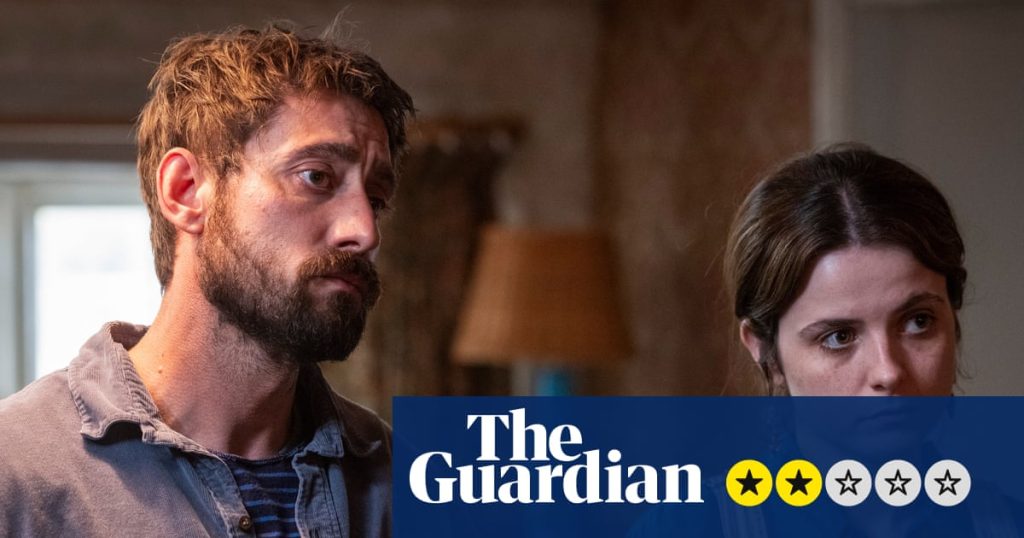
The new bbc drama the witch farm premiered on BBC One this November, aiming to deliver a haunting exploration of rural paranormal activity but ultimately drawing widespread criticism for its unintentionally comedic execution. According to The Guardian, the production struggles to balance atmospheric dread with its narrative delivery, often missing the mark on intended scares.
Key Points:
- The Witch Farm debuted on BBC One as a high-profile supernatural project focused on alleged real-life hauntings in Wales.
- Early reviews characterize the show as prone to unintentional humor rather than the genuine fear expected from a gothic horror series.
- Critics suggest the script relies heavily on predictable tropes, which detracts from the performances of its ensemble cast.
- The show represents a significant investment by the BBC into genre programming for the winter television season.
Why is the bbc drama the witch farm struggling with tone?
The supernatural thriller fails to sustain genuine dread, relying on clichéd jump scares and melodramatic performances that frequently undermine its own atmospheric tension during critical sequences. Reporting from The Telegraph indicates that the series collapses under the weight of its own earnestness, turning what should be pulse-pounding horror into a surprisingly humorous experience for modern viewers who are accustomed to tighter genre storytelling.
How does the acting hold up in the series?
Performances within the limited series remain entirely committed despite the script's erratic tonal shifts between genuine historical mystery and campy paranormal tropes that often feel disjointed. As noted by BBC News, the actors work hard to anchor the story in authentic emotional stakes, yet they are frequently hampered by dialogue that struggles to bridge the gap between historical period drama and modern horror conventions.
Why It Matters and What Happens Next
The reception of this supernatural miniseries highlights the growing difficulty broadcasters face when adapting complex, controversial historical ghost stories for modern television audiences who expect sophisticated pacing. Future programming decisions across public networks may shift away from traditional, bombastic period horror toward more grounded psychological thrillers, as viewers increasingly demand narrative restraint over loud visual spectacles.
Background and Industry Context
British television has a long, rich tradition of winter ghost stories that air during darker months to capture seasonal viewing habits and evoke a sense of tradition. While past classics achieved lasting acclaim through subtle psychological dread, recent high-budget efforts increasingly favor intense visual effects that can occasionally sacrifice narrative coherence for immediate, short-term shock value.
| Production Element | Critical Assessment | Audience Impact |
|---|---|---|
| Atmospheric Tension | Gothic and heavy | Visually striking but slow |
| Tone Consistency | Unintentionally funny | Polarizing viewer reactions |
| Script Writing | Heavy-handed exposition | Sparks lively online debates |
| Cast Performance | Highly committed | Generally praised for effort |
Frequently Asked Questions
Is The Witch Farm based on real events?Yes, the series is inspired by real-world reports of alleged hauntings in rural Wales that gained notoriety in the late 20th century, though the show dramatizes these claims for television.
Where can I watch this series?The drama is available for viewing on BBC One and the BBC iPlayer platform for audiences within the United Kingdom who have a valid TV license.
Image source: https://www.theguardian.com/tv-and-radio/2026/nov/22/the-witch-farm-review
What impact will this World News development have over the next 12 months?
Reader poll (non-scientific). Share your perspective below or join the discussion in the comments.