
The latest ap poll top 25 rankings have excluded all Big Ten programs from the top five for the first time since the 2021 college football season, according to data from ESPN. This significant shift signals a major disruption in the traditional hierarchy of collegiate athletics as mid-season parity impacts postseason trajectories.
Key Points:
- For the first time since 2021, zero Big Ten football teams hold a position within the AP top five rankings.
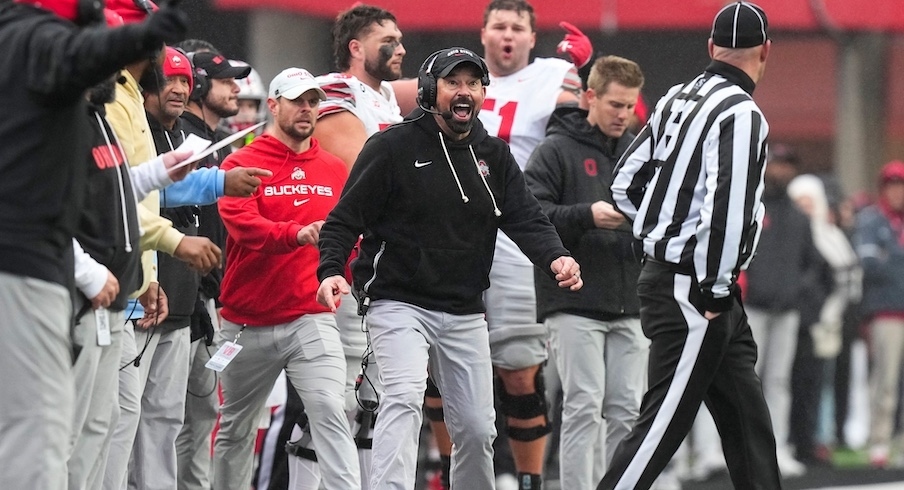
- Ohio State recently experienced historic volatility, dropping out of major coaches polls for the first time since 2011.
- The current rankings reflect an unprecedented tightening of the race, favoring SEC and independent programs as conference strength fluctuates.
- College football analysts attribute these changes to increased defensive competition and the rigorous nature of modern expanded conference schedules.
What Triggered the Shift in Top Rankings?
The exclusion of Big Ten teams from the top five is primarily attributed to a string of high-profile losses and stagnant offensive output among the conference's leading contenders, as reported by Yahoo Sports. These outcomes forced voters to re-evaluate the strength of northern programs against resilient squads from the SEC and other regions that demonstrated better consistency throughout the autumn.
The collective dip in performance among perennial favorites has created a vacuum at the top of the ballot. As voters prioritize head-to-head consistency and strength of schedule, the margin for error for teams like Oregon and Penn State has effectively vanished. This trend indicates that the AP voters are no longer relying on traditional program branding, opting instead for data-driven week-to-week performance metrics.
Analysis of Conference Performance Metrics
Conference dynamics have undergone a measurable shift during the 2026 season, altering how teams are perceived by the national media and playoff committees.
| Conference | Top 5 Presence | Performance Status | Primary Challenge |
|---|---|---|---|
| SEC | Dominant | High Stability | Intra-conference parity |
| Big Ten | Absent | Downward Trend | Offensive inconsistency |
| ACC | Minimal | Fluctuating | Schedule strength gaps |
| Big 12 | Rising | Competitive | Lack of poll respect |
Why It Matters and What Happens Next
The absence of Big Ten teams from the top tier of the ap poll top 25 significantly complicates the path to a national championship for several storied programs. With the College Football Playoff seeding process looming, the selection committee must now reconcile the AP's bearish outlook on the conference with their own internal evaluation metrics. If Big Ten schools fail to produce statement wins in the remaining weeks, they risk entering postseason play as lower-seeded teams, forcing tougher road matchups earlier in the tournament bracket.
Background and Industry Context
The Associated Press has maintained the college football rankings since 1936, providing a historical baseline for team prestige and success in the sport. While the Big Ten has historically held multiple spots in the top five, modern shifts—including conference expansion and the implementation of the new playoff format—have accelerated the volatility seen this season. Fans and analysts continue to compare these current rankings against historical thresholds to determine if the 2026 season represents a permanent structural change in power.
How does the AP poll affect playoff selection?
While the College Football Playoff committee uses their own distinct criteria, the ap poll top 25 serves as a critical barometer for public perception and media momentum. High rankings in the AP poll can provide teams with a psychological edge and, in close tie-breaking scenarios, influence the committee's perception of a team’s current viability and national standing.
What impact will this World News development have over the next 12 months?
Reader poll (non-scientific). Share your perspective below or join the discussion in the comments.