
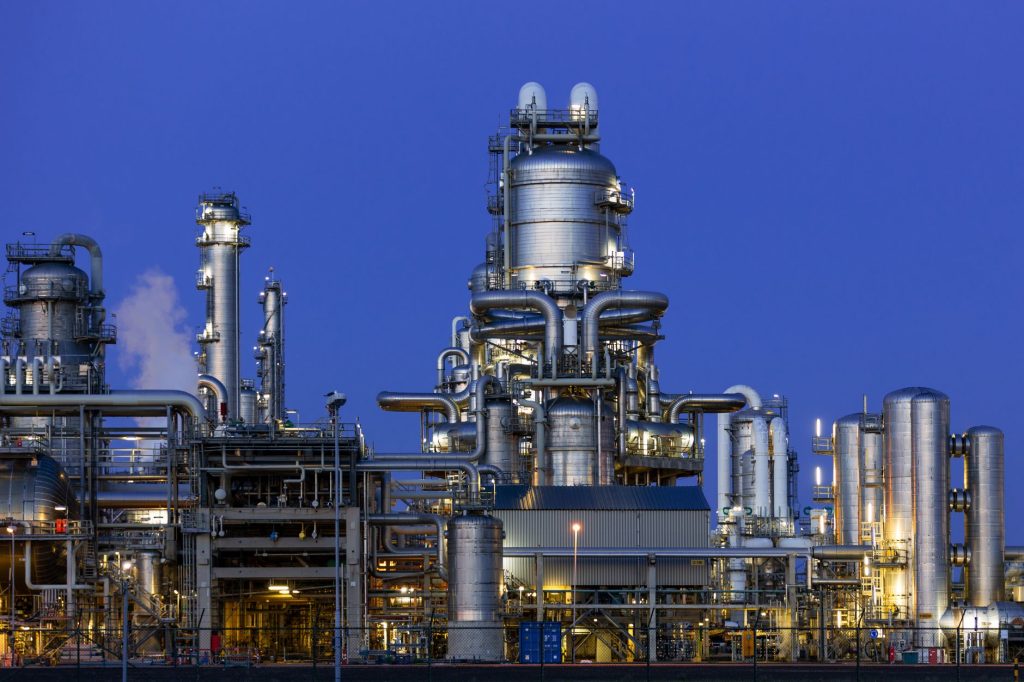
Corporate margins face intense pressure today as global energy markets experience extreme price volatility and rising fossil fuel costs. Therefore, modern businesses must find innovative ways to protect their bottom line and secure a lasting competitive advantage. Explore more energy strategies to learn how efficiency drives financial resilience.

Understanding Corporate Margins and Energy Costs
Rising fuel and power expenses have severely impacted organizations across multiple industries since early 2022. For example, geopolitical conflicts and supply chain disruptions frequently trigger sudden spikes in crude oil benchmarks. Consequently, companies struggle to maintain predictable budgeting and stable financial forecasting. However, proactive firms view these systemic challenges as prime opportunities to overhaul their operational frameworks. Read our guide on sustainable growth for additional operational insights.
Energy acts as a critical input for energy-intensive sectors like cement, chemicals, and heavy metals manufacturing. These traditional industries account for roughly three-quarters of all industrial energy demand worldwide. Meanwhile, businesses that rely on global supply chains also feel the severe financial pinch of mounting transportation expenses. As a result, executives are urgently seeking reliable methods to reduce overhead and stabilize operations.
How Efficiency Protects Corporate Margins
Research from MIT Sloan Management Review indicates that sustainability initiatives deliver measurable cost savings and operational resilience. Furthermore, companies that prioritize energy efficiency successfully lower their per-unit manufacturing costs. This deliberate focus allows them to navigate unpredictable market shocks without sacrificing profitability or customer satisfaction.
Organizations that embrace comprehensive efficiency programs often cut energy use at select facilities by up to 50 percent. Additionally, many report notable efficiency gains ranging between 10 and 20 percent in core industrial processes. Upgrades to digital monitoring systems, modern manufacturing equipment, and aging facilities play vital roles in achieving these remarkable outcomes. Therefore, facility modernization is no longer optional for forward-thinking enterprises.
Implementing Comprehensive Strategic Upgrades
True success rarely stems from isolated equipment upgrades or short-term tactical fixes implemented without broader coordination. Instead, leading organizations build comprehensive strategies that link various operational improvements together across all business units. Executive leadership must establish clear priorities, assign direct accountability, and define strict performance targets for every department.
Making energy consumption completely visible across all operational layers helps teams identify hidden waste immediately. Businesses can redesign legacy processes to eliminate inefficiencies and embed smart sustainability features directly into commercial products. Consequently, these integrated actions create fresh value for customers while simultaneously defending corporate margins against future market disruptions.
Future Outlook for Corporate Margins
Global energy markets will likely remain volatile as geopolitical tensions and environmental regulations continue to evolve rapidly. Therefore, building long-term resilience requires a continuous commitment to resource optimization and technological innovation. Organizations that master these disciplines today will easily secure their financial future. Ultimately, strategic efficiency transforms unavoidable cost pressures into a powerful engine for enduring corporate growth.
What impact will this Startups & Business development have over the next 12 months?
Reader poll (non-scientific). Share your perspective below or join the discussion in the comments.