
Federal Climate Change Minister Chris Bowen warned that the collapse of international climate negotiations at the UN summit represents an alarming security and ecological setback for Australia and vulnerable Pacific Island nations, according to ABC News. The deadlock leaves crucial mitigation financing and emissions targets stalled indefinitely, heightening climate risks across the region.
Key Takeaways:
- Federal Climate Change Minister Chris Bowen condemned the UN talks collapse as a critical blow to regional security, as reported by ABC News.
- Pacific Island leaders expressed intense frustration over stalled adaptation funding and weakened consensus on fossil fuel phase-outs.
- Australia now faces increased diplomatic pressure to maintain bilateral support frameworks independent of stalled multilateral mechanisms.
- Last updated: November 23, 2026 UTC
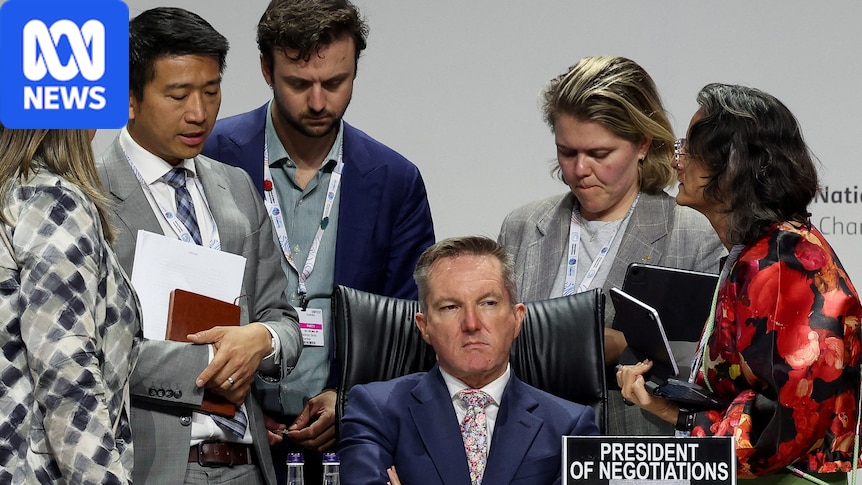
What Caused the Breakdown in Global Climate Talks?
Deep diplomatic divisions over financing commitments and binding fossil fuel phase-out timetables ultimately derailed the international summit, paralyzing negotiations led by Australian officials. Major industrial emitters clashed repeatedly with developing economies and vulnerable island states over who should shoulder the financial burden of rapid decarbonization.
According to reporting from The Sydney Morning Herald, procedural gridlock and last-minute objections from petrostate coalitions prevented delegates from reaching a consensus text before the mandatory conference deadline expired.
How Does This Impact Australia and Pacific Neighbors?
The failure to secure a binding multilateral framework directly threatens vital adaptation funding and rising-sea mitigation projects for vulnerable Pacific island nations. Canberra now faces urgent calls from regional partners to bridge the financing gap through bilateral aid and expedited green technology transfers.
As detailed by ABC News, Australian diplomats played a prominent mediating role during the summit but were ultimately unable to bridge the vast chasm between developed donor countries and developing economies demanding immediate fiscal support.
Diplomatic Fallout and Future Mitigation Strategies
Australian policymakers are pivoting toward regional bilateral partnerships to maintain momentum on emissions reductions following the multilateral stalemate. Industry analysts note that domestic energy transition targets must remain robust despite international setbacks to preserve Australia's credibility abroad.
For deeper analysis on how national regulatory policies interact with global treaties, consult our guide on climate policy frameworks and our review of renewable energy investments.
| Negotiation Area | Proposed Target | Summit Outcome |
|---|---|---|
| Mitigation Financing | $100B+ Annual Fund | Stalled / Unresolved |
| Fossil Fuel Phase-Out | Binding Timeline | Blocked by Coalitions |
| Pacific Adaptation Aid | Expanded Grants | Shifted to Bilateral Deals |
Frequently Asked Questions
What was Chris Bowen's official reaction to the UN climate talks collapse?
Federal Climate Change Minister Chris Bowen strongly criticized the breakdown of international negotiations, describing the outcome as a severe setback for regional security and ecological stability across Australia and vulnerable Pacific Island nations.
Why did the international climate negotiations ultimately fail?
The summit collapsed due to deep polarization between major industrial economies and developing states regarding binding fossil fuel phase-out timetables and adequate adaptation financing contributions.
How will this summit failure affect Pacific Island nations?
Pacific nations face immediate uncertainty regarding critical climate adaptation funding and rising sea-level mitigation grants that were tied directly to the stalled multilateral UN framework agreement.
What steps is the Australian government taking next?
Australia is pivoting toward strengthened bilateral aid agreements and direct green technology partnerships with Pacific neighbors to compensate for the lack of progress at the multilateral level.
Image source: https://www.abc.net.au/news/2026-11-23/un-climate-talk-breakdown-a-disaster-for-australia/107416230
What impact will this Startups & Business development have over the next 12 months?
Reader poll (non-scientific). Share your perspective below or join the discussion in the comments.