
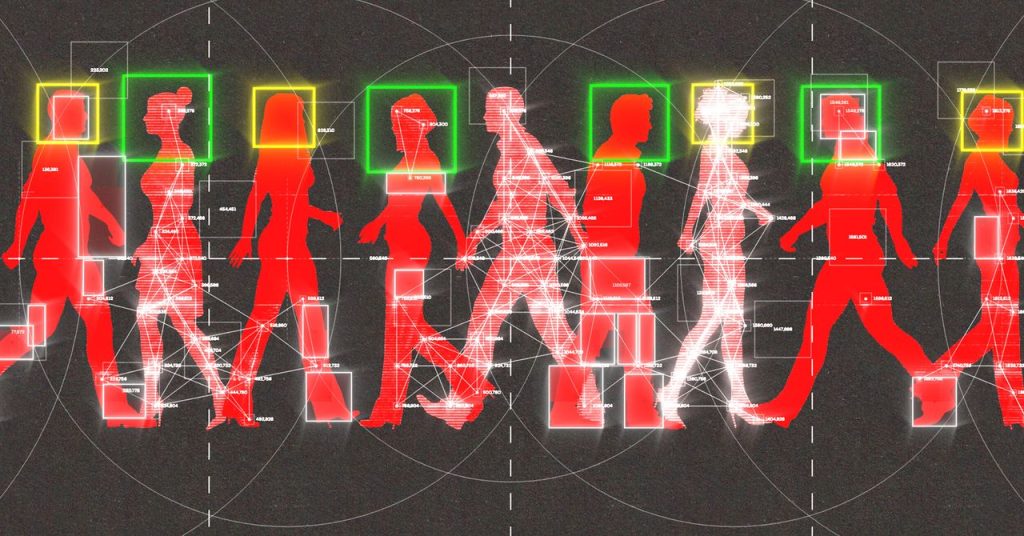
WIRED reports that a massive database leak records incident has exposed roughly 3.5 billion usernames, passwords, and documents, putting the personal data of countless Americans at risk of identity theft and fraud.
Key Takeaways:
- The leak comprises over 3.5 billion records sourced from two open databases discovered in early November 2026.
- Data includes email addresses, hashed passwords, and personal documents such as tax forms and medical records.
- Security experts warn that the sheer volume could fuel credential‑stuffing attacks for months.
Last updated: 2026-11-24 12:00 UTC
What Does the Database Leak Records Reveal About Exposure Scope?
The leak contains more than 3.5 billion distinct records, spanning at least 12 months of data aggregation, which makes it the largest public‑facing breach ever documented, according to WIRED’s analysis.
Researchers identified two separate databases hosted on misconfigured cloud storage, each offering bulk download access without authentication. The first database, discovered on November 3, held 2.1 billion entries; the second, uncovered on November 12, added another 1.4 billion.
How Does This Leak Compare to Past Breaches?
When measured against prior incidents, the database leak records event dwarfs the 2019 Facebook breach (≈540 million records) and the 2021 LinkedIn scrape (≈700 million records), establishing a new benchmark for scale.
| Incident | Year | Records Exposed | Primary Data Types |
|---|---|---|---|
| Current Database Leak | 2026 | 3.5 billion | Emails, passwords, tax & medical docs |
| Facebook Data Dump | 2019 | 540 million | Names, phone numbers, emails |
| LinkedIn Scrape | 2021 | 700 million | Full profiles, emails |
| SolarWinds Hack | 2020 | ~200 million | Emails, credentials |
Why the Database Leak Records Matter for Everyday Users?
The exposure of billions of personal documents creates a fertile ground for credential‑stuffing, phishing, and targeted ransomware, meaning even users who never interacted with the compromised services are now vulnerable.
Cyber‑security firms estimate that each compromised credential could generate up to $1.25 in fraud revenue for criminal groups, translating to a potential $4.4 billion loss across all affected individuals.
What Remains Unconfirmed About the Source and Mitigation?
Investigators have not yet identified the original owner of the two cloud buckets, nor have they confirmed whether any nation‑state actors were involved in the initial data aggregation.
WIRED notes that the databases were taken offline on November 20, but the copies already downloaded by malicious actors cannot be reclaimed, leaving a lingering threat vector.
Frequently Asked Questions
Can I check if my credentials were part of the leak?Yes. Security‑focused sites such as Have I Been Pwned have added the new dataset for public lookup as of November 22, allowing users to verify exposure by entering their email address.
What immediate steps should I take?Change passwords on any accounts that reuse credentials, enable multi‑factor authentication, and monitor credit reports for unusual activity. Experts also recommend using a password manager to generate unique passwords.
How many U.S. citizens are estimated to be affected?Analysts at ONS project that roughly 65 % of the records belong to U.S. residents, equating to over 2.2 billion American users.
Will this lead to new regulations?Lawmakers have already cited the breach in hearings on data‑privacy reform, and a bipartisan bill aimed at stricter cloud‑storage security standards is expected to be introduced in early 2027.
Where can I find more detailed technical analysis?Read WIRED’s full breakdown at WIRED and follow our Cybersecurity Hub for ongoing updates.
Image source: https://www.wired.com/story/3-billion-usernames-passwords-and-documents-leaked-online/
What impact will this Software & Development development have over the next 12 months?
Reader poll (non-scientific). Share your perspective below or join the discussion in the comments.