
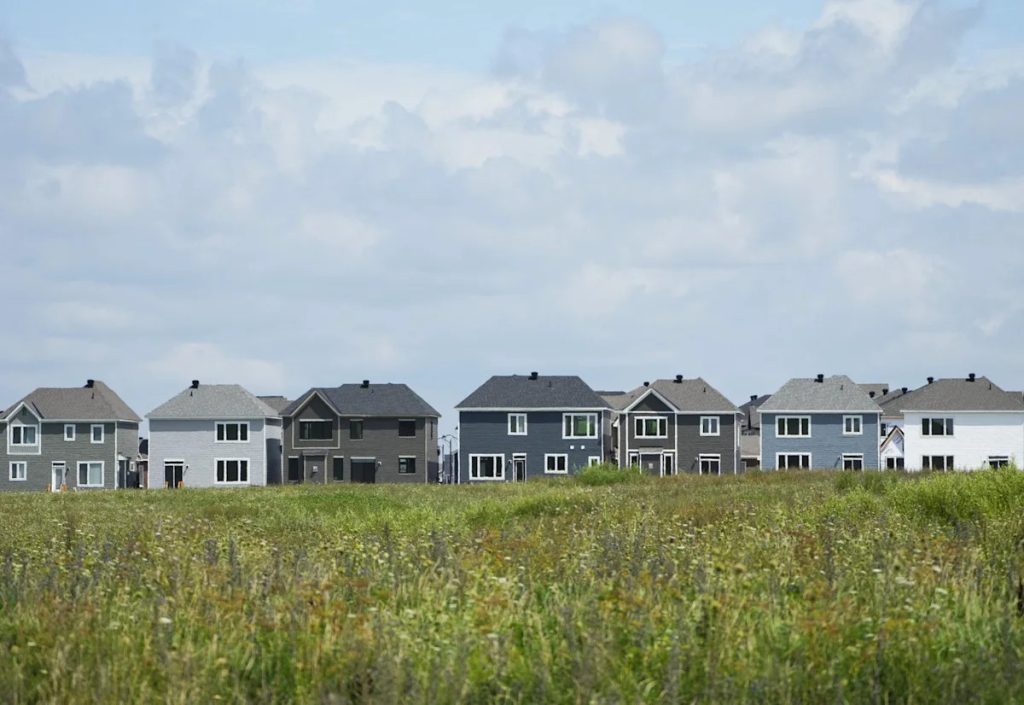
According to a new report from Yahoo! Finance Canada, the Canadian equifax data reveals that mortgage delinquency rates surged by 31 percent in the third quarter, driven primarily by severe financial pressures in Ontario and British Columbia. This stark increase highlights mounting affordability strains for homeowners facing elevated interest rates and tighter refinancing conditions across the country.
Key Points:
- Mortgage delinquency rates climbed by 31 percent nationwide during the third quarter of the fiscal year according to recent data.
- Ontario and British Columbia emerged as the primary drivers of this delinquency surge among regional markets.
- The latest figures approach critical historical thresholds last observed during the 2008 global financial crisis.
- Borrowers are increasingly struggling to absorb higher monthly mortgage payments upon contract renewals.
Last updated: November 2026 UTC
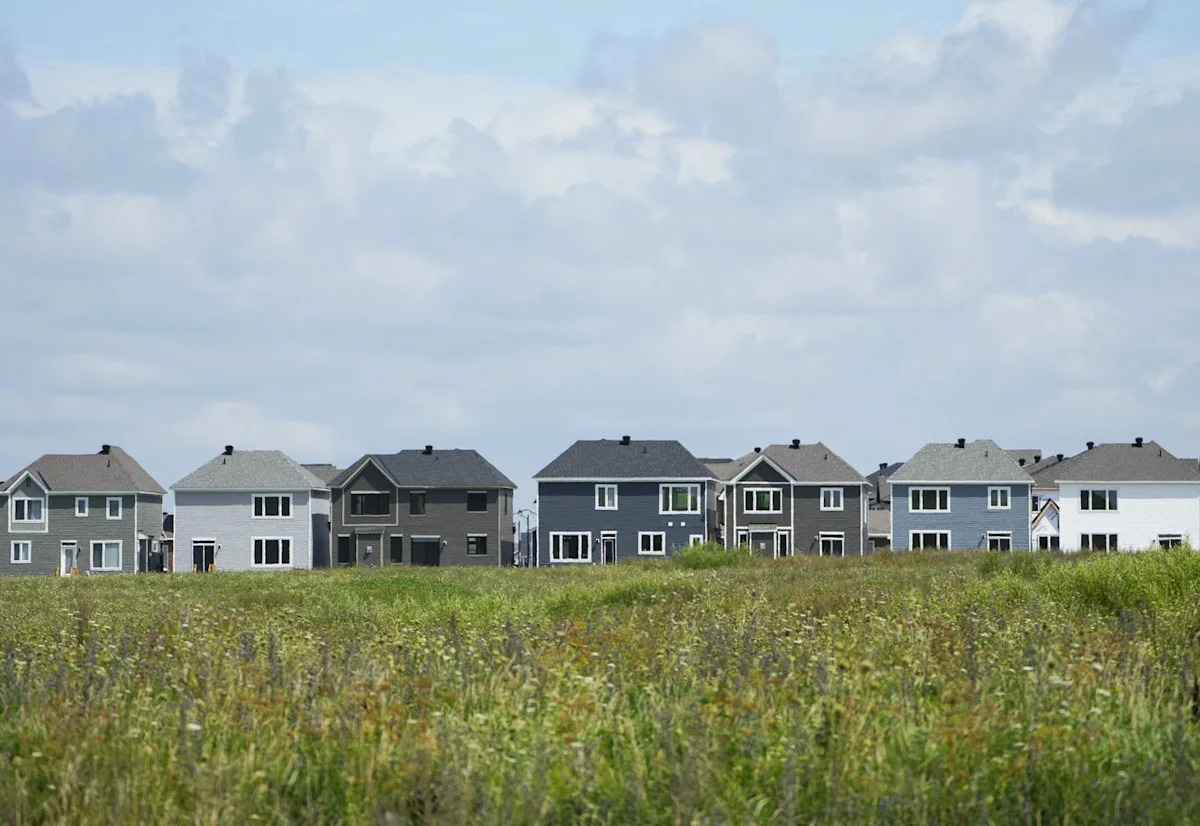
What Caused the Surge in Mortgage Delinquencies Across Ontario and British Columbia?
The notable rise in home loan defaults stems directly from a combination of aggressive central bank rate hikes and the compounding pressure of upcoming mortgage renewals at significantly higher interest rates. Regional housing markets in Ontario and British Columbia experienced rapid price appreciation during previous years, leaving many borrowers with substantial loan balances that have become exceptionally difficult to service under current economic conditions.
According to Yahoo! Finance Canada, lenders are observing a clear shift as fixed-term mortgages signed during pandemic-era lows transition into modern, costlier lending environments. Homeowners in high-cost metropolitan areas are absorbing the heaviest blows, forcing many households to reallocate disposable income strictly toward shelter and essential living expenses.
How Do These Third-Quarter Metrics Compare to Historical Financial Benchmarks?
Financial analysts note that current mortgage arrears in key provinces are approaching levels not witnessed since the 2008 financial crisis, signaling deep-seated economic stress in consumer lending sectors. While absolute delinquency numbers remain relatively low as a percentage of total active residential loans, the speed of the recent acceleration has alarmed credit risk evaluators and banking institutions alike.
As detailed by The Toronto Star, policymakers are closely monitoring consumer credit health to determine whether targeted relief measures will be necessary to prevent widespread property defaults. The historical comparison underscores the unique vulnerability of Canadian households carrying large debt-to-income ratios compared to international peers.
What Financial Strategies Are Borrowers and Lenders Implementing Now?
Lenders are proactively offering loan restructuring options and extended amortization schedules to assist qualified borrowers who demonstrate temporary cash flow difficulties rather than immediate insolvency. Financial advisors encourage homeowners approaching renewal dates to engage with their banking institutions early, exploring alternative financing structures before arrears accumulate.
Concurrently, The Globe and Mail highlights that credit reporting agencies are tracking an incremental rise in consumer utilization of unsecured credit lines to cover fixed monthly housing commitments. Below is a comparative breakdown of regional mortgage delinquency metrics and associated economic indicators for the reporting period:
| Region | Delinquency Increase (Q3) | Primary Driver | Market Vulnerability |
|---|---|---|---|
| Ontario | Significant Surge | Renewal Shock | High |
| British Columbia | Substantial Rise | High Principal Balances | High |
| National Average | 31% Increase | Interest Rate Pressures | Moderate |
Frequently Asked Questions About the Mortgage Delinquency Report
What percentage did national mortgage delinquencies increase by in Q3?
National mortgage delinquency rates increased by 31 percent in the third quarter, driven primarily by elevated borrowing costs affecting homeowners in Ontario and British Columbia according to Yahoo! Finance Canada.
Which two provinces drove the largest share of mortgage defaults?
Ontario and British Columbia drove the largest share of mortgage defaults during the third quarter, largely due to their high housing valuations and heavy reliance on large residential loan balances.
How do current delinquency levels compare to past economic crises?
Current mortgage arrears in prominent provincial markets are rapidly approaching the warning thresholds last recorded during the 2008 global financial crisis, prompting heightened scrutiny from banking regulators.
What steps can struggling homeowners take before their renewal date?
Struggling homeowners can contact their lenders early to discuss loan restructuring, amortization extensions, or refinancing alternatives designed to manage monthly payment obligations safely.
Where can readers find additional personal finance updates?
Readers can explore further financial news and consumer lending analyses by visiting Modween Finance for regular updates on housing market trends and credit reporting data.
Image source: https://ca.finance.yahoo.com/news/mortgage-delinquency-rate-31-q3-090003018.html
What impact will this Markets & Economy development have over the next 12 months?
Reader poll (non-scientific). Share your perspective below or join the discussion in the comments.