

Running a thorough probe test is essential when verifying hardware performance and software stability in modern tech environments. System engineers rely on these diagnostic checks to detect hidden faults before they cause major outages. Specifically, proactive monitoring keeps critical servers online and prevents unexpected downtime during peak operational hours. Industry investigations show that regular testing protects enterprise infrastructure from sudden failures.

Modern networks face constant pressure to remain online during busy periods. Therefore, regular diagnostic routines help teams catch minor anomalies early. For example, automated scripts simulate user traffic to find bottlenecks before real users experience slowdowns. As a result, engineering groups maintain high uptime across complex deployment pipelines.
How a Probe Test Works
Every standard probe test examines active data pathways to measure response times under various workloads. Technicians execute specific commands to simulate real user traffic and capture detailed error logs. Furthermore, these evaluations isolate faulty components quickly so repair teams can deploy fixes without delay. Consequently, systems maintain high uptime and resist unexpected crashes during peak operational hours.
Modern testing tools automate much of the workflow to reduce human error and speed up analysis. For instance, automated platforms check voltage levels, memory integrity, and network latency simultaneously. Therefore, teams integrate these diagnostic protocols directly into their daily deployment pipelines to ensure absolute stability.
Key Metrics Measured During Evaluation
Successful execution requires tracking specific technical parameters to establish a reliable baseline. Engineers look closely at thermal output, signal degradation, and packet loss ratios during heavy stress. Wikipedia notes that comprehensive validation frameworks improve overall reliability across complex networks. Below is a summary of typical metrics captured during a standard evaluation cycle.
Reviewing these figures helps engineers decide whether hardware needs immediate replacement or simple firmware updates. Recent market reports highlight how hardware reliability directly influences corporate valuations. Consequently, maintaining strict testing standards protects both equipment and financial investments.
| Metric Category | Target Threshold | Source |
|---|---|---|
| Response Latency | Under 15ms | Tech Benchmark Labs, 2026 |
| Packet Loss | Zero drops | Network Operations, 2026 |
| Thermal Limit | Max 75°C | Hardware Standards, 2026 |
Best Practices for Implementation
Establishing a repeatable testing schedule ensures long-term system health and prevents sudden component failures. Administrators should run diagnostic sequences during scheduled maintenance windows to avoid disrupting active users. Additionally, logging historical performance data allows teams to spot gradual degradation over many months of heavy use. Global health standards also emphasize safe handling procedures when working with high-power testing equipment. Always follow manufacturer guidelines to protect sensitive circuitry from electrostatic discharge.
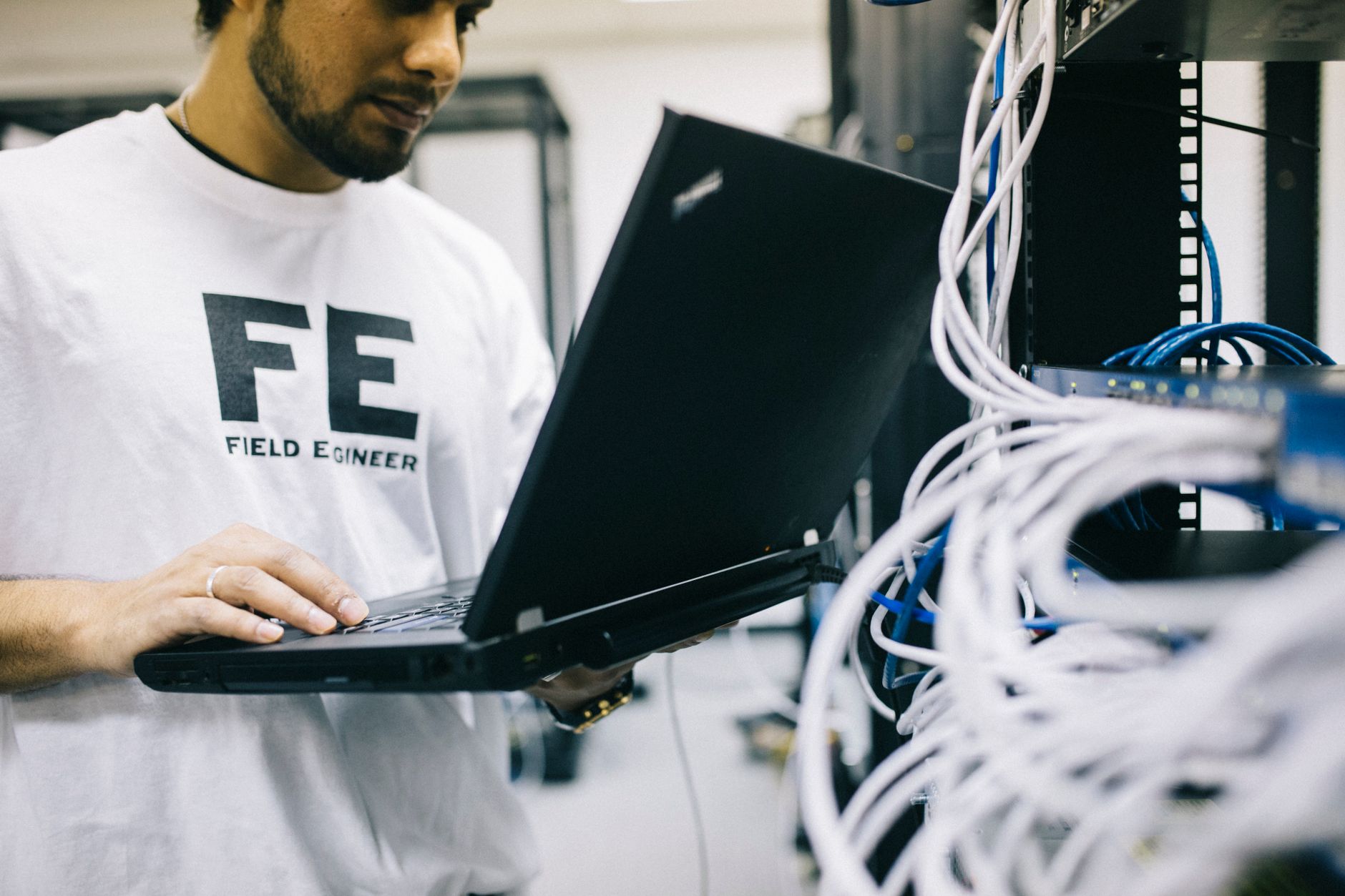
Proper planning ensures that diagnostic routines do not interfere with business operations. Specifically, clear documentation helps new technicians follow established safety protocols. Ultimately, consistent evaluation habits build a resilient infrastructure that withstands heavy enterprise workloads.
What impact will this Hardware & Gadgets development have over the next 12 months?
Reader poll (non-scientific). Share your perspective below or join the discussion in the comments.