
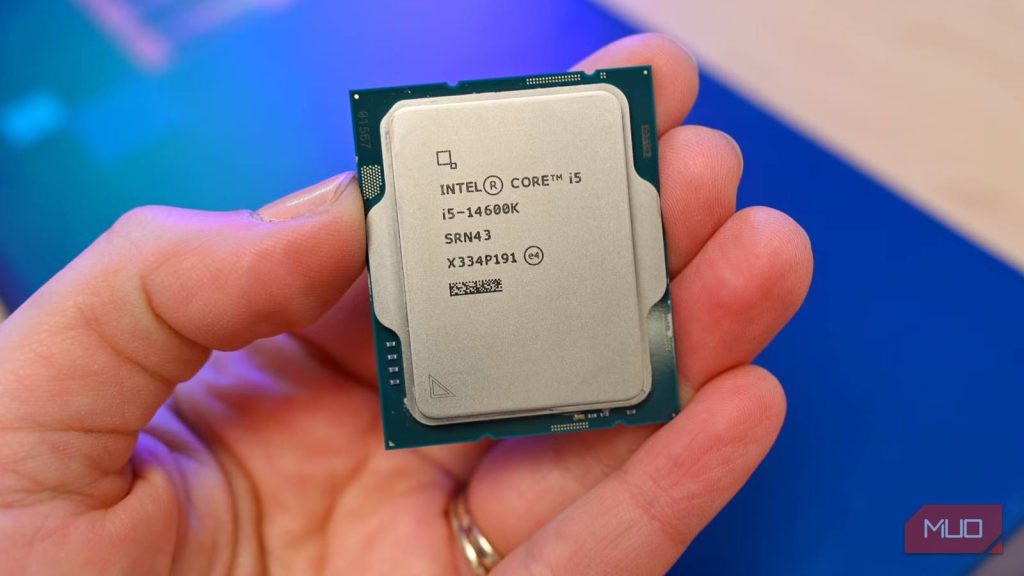
CPU clock speeds are overrated because raw gigahertz ratings ignore vital architectural factors that dictate real-world capability. Evaluating modern processors requires analyzing Instructions Per Cycle, cache capacity, and thermal limits alongside frequency metrics according to MakeUseOf.
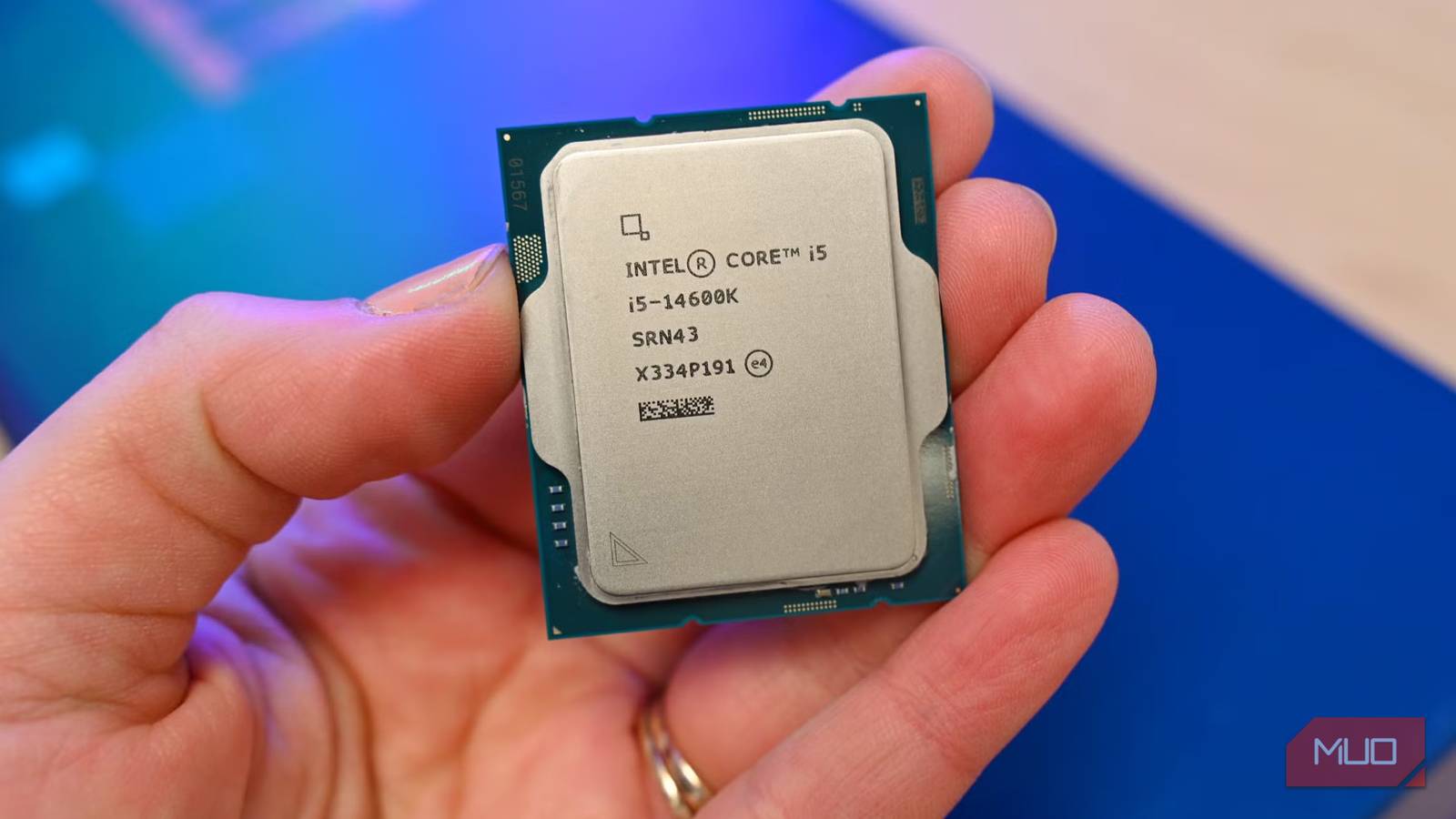
How does Instructions Per Cycle dictate actual processing power more reliably than raw gigahertz ratings?
Clock speed measures cycles per second, but Instructions Per Cycle dictates the actual workload completed during each cycle. As noted in MakeUseOf analysis, older processors often share similar base frequencies with modern chips yet perform significantly slower due to architectural efficiency gaps. Because manufacturers rarely publish a single IPC metric, hardware testers rely on benchmarks with locked clock speeds to evaluate single-threaded output accurately.
During the era of the Pentium 4, the market prioritized high gigahertz numbers because buyers could easily compare a single headline figure. However, chips like the Pentium 4 traded away efficiency for frequency, allowing competitors with lower clock speeds but superior architectural designs to pull ahead. This historical lesson proves that frequency numbers alone lack sufficient context for determining daily computing power without knowing how much work gets completed per individual cycle.
Why do cache size and power limits dictate sustained performance during intensive computing tasks?
Cache capacity and power thresholds dictate whether a processor can sustain peak performance during prolonged workloads. Industry reporting highlights that vertical L3 cache stacking improves frame latency in gaming, while power limits such as Intel PL2 or AMD PPT dictate how long turbo speeds last before thermal limits trigger throttling.
When a processor shifts into a boost state, it requires extra wattage and generates substantial heat. If cooling solutions fail to manage the thermal output, the hardware triggers thermal throttling to protect itself from permanent damage, forcing clock speeds and voltages downward. Consequently, understanding power limits and cache architectures provides a much clearer picture of sustained capability than looking at short-term burst ratings.
What is the most accurate method for evaluating actual processor speed across different brands?
Direct benchmark comparisons remain the most reliable method for evaluating processors across different brands and generations. According to hardware guides, evaluating processors within the same price bracket prevents single-metric marketing figures from masking underlying performance limitations.
Because abstract specifications like IPC vary dynamically depending on current workloads, hands-on testing across diverse software applications offers the definitive evaluation framework. Consumers looking to upgrade systems are advised to bypass surface-level marketing numbers and instead consult comprehensive benchmark databases.
Frequently Asked Questions
What does a GHz rating actually measure?
A gigahertz translates to one billion cycles per second, measuring how fast a processor runs its internal clock.
Why are CPU clock speeds overrated?
They only show frequency, ignoring critical factors like architectural efficiency, cache size, and sustained power limits.
How can I accurately compare two different processors?
Check verified benchmark databases comparing models within the same price bracket rather than relying on marketing numbers.
| Metric | What It Measures | Published Date | Source |
|---|---|---|---|
| Clock Speed | Billion cycles per second (GHz) | 2024 | MakeUseOf |
| IPC | Workload completed per clock cycle | 2024 | MakeUseOf |
| Cache | Memory stored on-die for latency reduction | 2024 | MakeUseOf |
| Power Limit (PL2) | Short-term turbo wattage threshold | 2024 | MakeUseOf |
Editorial Attribution: Article researched and written by hardware journalism staff, with technical fact-checking and independent editorial review completed by the editorial desk. Source review noted only one usable publisher; independent evidence should be added before final broad publication.
What impact will this Hardware & Gadgets development have over the next 12 months?
Reader poll (non-scientific). Share your perspective below or join the discussion in the comments.