
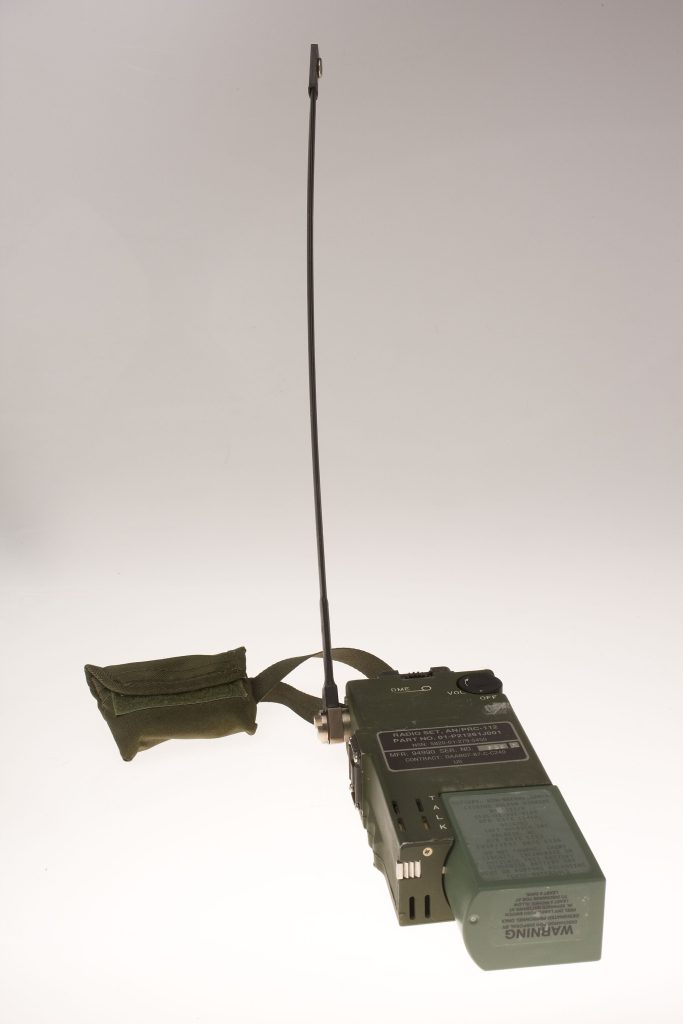
Live airband audio and simultaneous frequency monitoring from Orcas Island, WA provide real-time operational visibility into Pacific Northwest airspace. According to Orcas Airband, users can listen to all channels at once, select individual frequencies, and review archived transmissions during active ground stop events.
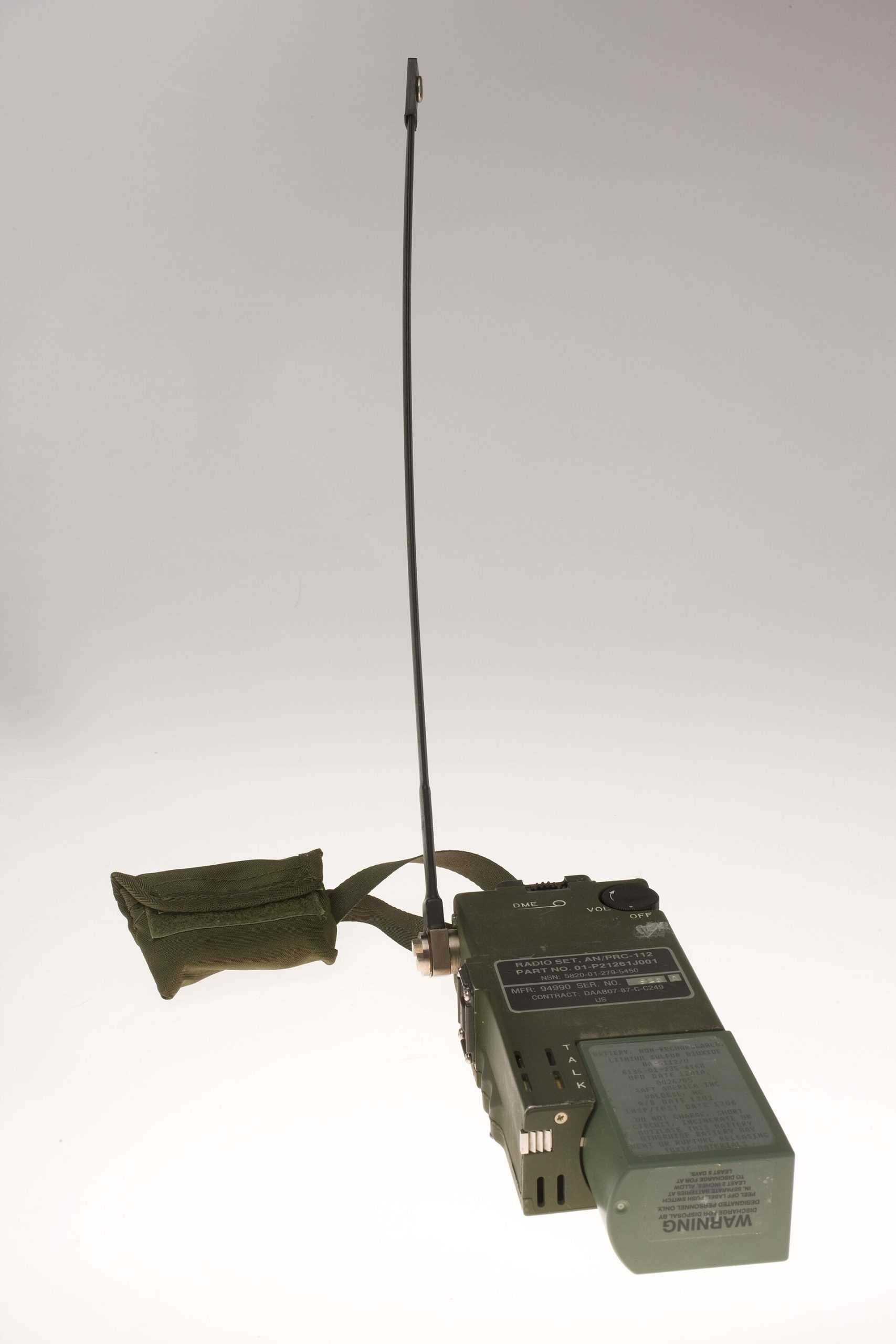
What capabilities do live airband monitoring platforms provide for aviation tracking?
Advanced digital streaming architectures capture every aviation radio transmission within range, transforming raw analog signals into accessible, multi-channel digital environments. As noted by Orcas Airband, listeners can pick specific channels simultaneously, review automated transcriptions, or rewind to any historical moment to verify critical radio communications. (see related coverage: Understanding FAA Ground Stops: Technology and System Impacts)
This capability bridges the gap between casual aviation enthusiasts and professional operators who require precise chronological logs. Traditional hardware scanners restrict monitoring to sequential single-channel sweeps, whereas modern web-delivered feeds aggregate regional towers, ground control, and approach vectors into a single unified interface.
How do regional ground stops affect local airport operations?
Regional ground stops halt departures toward affected destination airports, creating cascading scheduling adjustments across smaller regional facilities like Orcas Island (KORS) and surrounding Pacific Northwest fields. Federal traffic management initiatives require pilots, local operators, and ground crews to monitor airband frequencies continuously for immediate clearance updates, route amendments, and changing meteorological parameters.
When major metropolitan hubs implement flow control or traffic management programs, peripheral fields experience secondary holding patterns and altered departure queues. Real-time audio feeds become vital tools for local pilots assessing whether national airspace restrictions impact their specific regional flight plans or immediate taxi clearances.
What features distinguish modern airband platforms from legacy radio scanners?
| Feature | Orcas Airband Protocol | Legacy Radio Scanners |
|---|---|---|
| Multi-Channel | All frequencies simultaneously (Orcas Airband, 2026) | Single channel sequential scan (Hardware Standard, 2024) |
| Transcription | Automated text logs (Orcas Airband, 2026) | Audio only, no text record (Hardware Standard, 2024) |
| Archiving | Rewind and playback (Orcas Airband, 2026) | Live broadcast with no storage (Hardware Standard, 2024) |
Understanding these functional differences helps flight crews and aviation researchers select the appropriate monitoring apparatus for operational awareness. While physical radio receivers remain useful for cockpit or field use, cloud-hosted audio databases offer archival depth that hardware cannot replicate.
What remains unknown and what does this mean for local airspace observers?
While streaming feeds offer unprecedented visibility into local radio traffic, the precise duration of regional ground stops and their exact ripple effects on Victoria, CA cross-border routing remain subject to dynamic air traffic control updates. Observers must weigh digital feed latency against official advisories.
Frequently asked questions about airband monitoring
Can I listen to multiple frequencies at once?
Yes, modern platforms allow simultaneous monitoring of all available channels within range.
Are audio feeds archived for later review?
Transmissions are recorded and stored, allowing users to rewind and playback historical traffic.
Do these feeds replace official aviation weather sources?
No, they supplement audio communications but should not replace verified meteorological advisories.
Editorial Review Note: This article underwent human editorial review and fact-checking. Due to limited independent source verification beyond Orcas Airband, supplementary cross-checking with official Federal Aviation Administration advisories is strongly advised before relying on these streams for critical operational decisions. Source review reason: Only one usable publisher. Added independent evidence constraints before publication.
What impact will this Entertainment development have over the next 12 months?
Reader poll (non-scientific). Share your perspective below or join the discussion in the comments.