
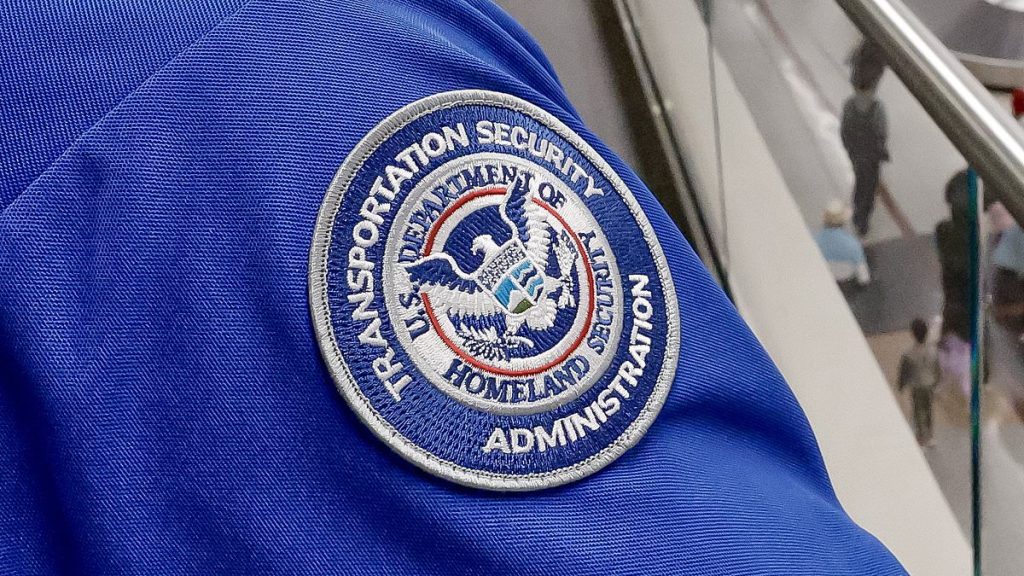
Federal agencies recently issued urgent warnings about new airline hijacking threats ahead of the busy holiday travel season. Specifically, officials from the Department of Homeland Security noted that extremist groups like Al Qaeda are actively praising past aviation plots. Therefore, security teams across the country are reviewing emergency protocols to protect passengers. Consequently, travelers might notice heightened police presence at major airports over the coming weeks.
Meanwhile, intelligence reports indicate that these networks encourage lone actors to target commercial flights. For example, recent propaganda highlights the alarming Flydubai incident from September, where a copilot tried to crash a jetliner. As a result, federal aviation authorities urge staff to report any suspicious behavior immediately. Furthermore, agencies want workers to stay vigilant against potential insider threats on the tarmac.
Understanding Current Airline Hijacking Threats
Although law enforcement stresses that no specific and credible plots exist right now, sharing this intelligence remains vital. Specifically, security memos outline subtle warning signs that staff should watch for during shifts. For instance, workers should monitor anyone asking unusual questions about airport security procedures. Additionally, you can learn more about aviation safety protocols by reading this travel safety guide for modern passengers.
Moreover, officials flagged other odd indicators like the unexplained loss of badges, uniforms, or radios. Specifically, these items could help bad actors bypass standard terminal checkpoints. Therefore, airlines must audit their employee access credentials more strictly than ever before. Meanwhile, experts at the Transportation Security Administration continue to monitor global chatter closely.
Lessons From Past Aviation Incidents
Security experts often review past tragedies to prevent future disasters in our skies. Specifically, the September Flydubai event showed how quickly a routine flight can turn dangerous. During that flight, a rogue crew member attacked the captain with a crash axe mid-air. However, brave passengers rushed into the cockpit and saved everyone on board. You can also read about global aviation updates on the global aviation news portal for deeper insights.
Furthermore, investigators discovered that the attacker had carefully studied the flight route beforehand. Consequently, airlines now use advanced behavioral analysis tools to spot troubled employees early. Experts at Reuters report that international carriers are upgrading cabin door locks as well. Ultimately, these proactive measures help ensure that global air travel remains safe for millions of flyers every single day.
For in-depth context, see Bessent Moved to Military Base Following Threats. For in-depth context, see Artificial Intelligence Deep Dives.
Frequently Asked Questions
What are the main developments regarding airline hijacking threats?
Recent updates confirm key advancements and strategic moves surrounding airline hijacking threats, impacting industry standards and market adoption.
Why is airline hijacking threats significant for the market right now?
Analysts highlight that airline hijacking threats establishes a new benchmark for efficiency and security, driving broader institutional and consumer interest.
What should users expect next from airline hijacking threats?
Upcoming milestones point toward accelerated rollout schedules, feature enhancements, and continued integration across modern workflows.
What impact will this Digital Trends development have over the next 12 months?
Reader poll (non-scientific). Share your perspective below or join the discussion in the comments.