
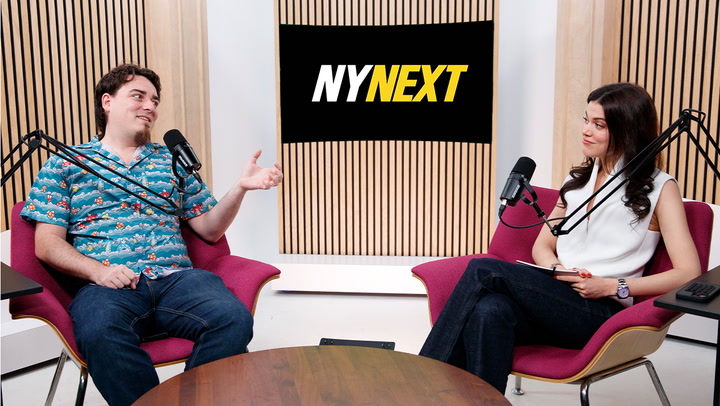
Tech billionaire Palmer Luckey wants to build a futuristic Palmer Luckey floating metropolis in international waters. Many people view this project as a bold step toward new frontiers. However, critics question if the grand vision will ever become a real city. The tech mogul revealed his plans to create a permanent ocean platform. As a result, tech fans and policy experts discuss the future of ocean living.

Luckey funded the venture using money from past technology sales. Specifically, he sold his virtual reality company to Facebook years ago. Therefore, he now has the funds to back risky engineering projects. Additionally, he runs a fast-growing defense firm called Anduril. This new sea platform aims to boost American industry by removing land limits. Meanwhile, teams work hard on early designs.
Palmer Luckey Floating Metropolis: Goals of the Ocean Platform
The proposed platform carries the codename SLAB. Its creators designed the structure to last for one thousand years. Furthermore, the project bypasses local laws that slow down modern industry. For example, heavy metal processing and medical research face fewer hurdles at sea. Consequently, firms can test new ideas without heavy red tape. Leaders hope this freedom will spark rapid innovation.
According to New York Post reporting, the billionaire wants to revive westward expansion. He compares the effort to historical frontiers. Moreover, he hopes to build a relief valve for outdated rules. Industry leaders often complain about slow building permits on land. Therefore, moving heavy work to the ocean solves many problems. Still, building a massive structure on water remains very tough.
Challenges Facing Seasteading Ventures
Ocean cities are not a brand-new concept. In the past, venture capitalists funded similar groups like The Seasteading Institute to test autonomous ocean living. However, those early projects faced severe financial and legal roadblocks. Ocean waves, storms, and salt water destroy metal structures fast. Therefore, engineers must design strong shields to protect workers and factories.
Additionally, nations claim control over nearby waters. Because of this, legal battles might stop the project before it starts. Lawyers argue about who holds power in international zones. Meanwhile, insurance companies struggle to price risk for floating cities. Despite these heavy hurdles, the team moves forward with quiet optimism and steady resolve.
Other Ventures by the Tech Mogul
The sea platform is not the only side project on his list. Last year, the founder backed a crypto-friendly banking startup. He also launched a retro-gaming hardware firm named ModRetro. Furthermore, he supports a dog-breeding and cloning firm called Warhound. Each venture tackles a different market with unique goals. Meanwhile, his main defense company secures major government contracts.
Critics wonder if he spreads his time across too many projects. However, supporters praise his wild ambition and focus. The tech world watches closely as these bold ideas take shape. Whether the ocean city succeeds or fails, it sparks vital talks about regulation and freedom. In the end, only time will tell if ocean living becomes our normal reality.
For in-depth context, see Brock Bowers Cries: Raiders Star’s Pre-Game Tear Revealed 2026. For in-depth context, see Artificial Intelligence Energy Cost Revealed by Harvard Study. For in-depth context, see Brad Pitt Plans Quiet Holiday Season With Ines de Ramon.
Frequently Asked Questions
What are the main developments regarding Palmer Luckey floating metropolis?
Recent updates confirm key advancements and strategic moves surrounding Palmer Luckey floating metropolis, impacting industry standards and market adoption.
Why is Palmer Luckey floating metropolis significant for the market right now?
Analysts highlight that Palmer Luckey floating metropolis establishes a new benchmark for efficiency and security, driving broader institutional and consumer interest.
What should users expect next from Palmer Luckey floating metropolis?
Upcoming milestones point toward accelerated rollout schedules, feature enhancements, and continued integration across modern workflows.
What impact will this Digital Trends development have over the next 12 months?
Reader poll (non-scientific). Share your perspective below or join the discussion in the comments.