
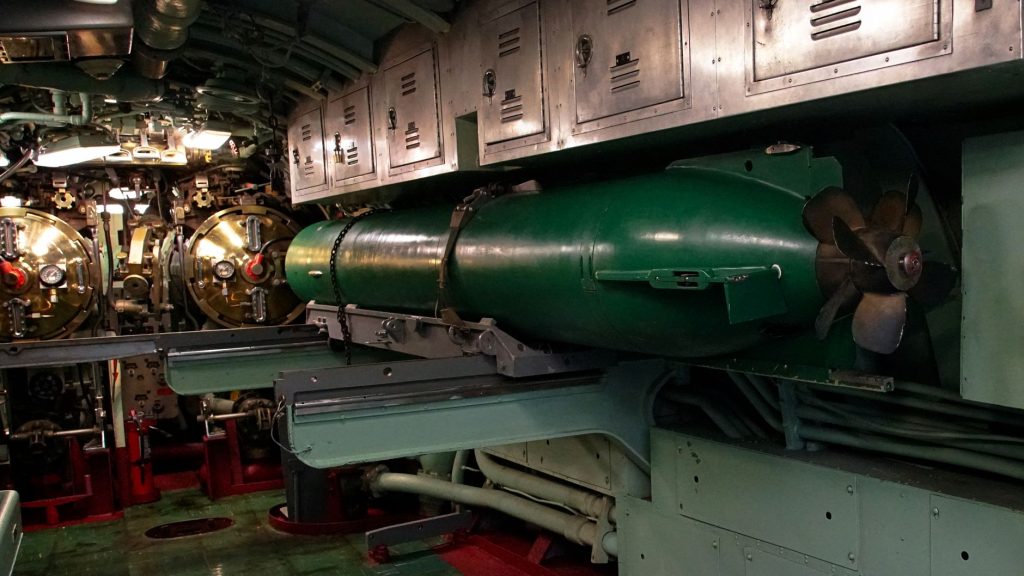
A high-ranking officer recently learned about their father's tragic death after returning from a record-breaking mission. This strict nuclear submarine secrecy policy meant the officer remained unaware of the loss for months. Serving 217 days at sea aboard HMS Vengeance, they missed the chance to say goodbye. This story reveals the extreme personal costs tied to maintaining a constant nuclear deterrent. For many families, these silent departures create deep emotional wounds that only surface long after the vessel returns to port.
How Does Nuclear Submarine Secrecy Affect Sailors?
The military suppresses personal news during long patrols to maintain absolute crew focus. Command teams actively filter out distressing developments to keep the ship's performance high and consistent. Unfortunately, this rigid practice often ignores the profound human cost of such extreme isolation. According to Daily Mail, this rule applies to everyone. Whether you are a junior sailor or a high-ranking officer, the protocol remains the same. The navy views this as a necessary burden for vital national security duties.

HMS Vengeance recently returned home after setting a new record for patrol duration. The vessel spent 217 days underwater, far exceeding its original design limits. Significant maintenance delays with other ships forced this extended deployment on the crew. As a result, sailors spent seven months without fresh air or natural light. These conditions compound the difficulty of being cut off from family news. Many experts at Modween follow these logistics closely. They note that equipment shortages often translate into human stress. Staying submerged for so long pushes both ships and people to their breaking points.
Why Do Longer Patrols Create Significant Challenges?
Extended underwater patrols stretch the physical and emotional limits of the Royal Navy crew. When a ship stays submerged for over 200 days, the isolation becomes a major barrier to mental health. Personnel deal with the total absence of external contact, which includes news of family losses. Consequently, this leads to traumatic experiences upon returning to port. The military must balance its operational needs with the basic human right to communicate during a crisis. As patrol times grow, the potential for such painful surprises also increases significantly.
Defence Secretary Wes Streeting recently welcomed the crew home at the naval base. He praised their commitment to the United Kingdom’s nuclear deterrent mission. He also acknowledged the sacrifices made by families waiting on the shore. Yet, speeches do not replace the lost time with loved ones. The bereaved officer's experience shows the stark reality behind the official rhetoric. For more context on naval operations, you can read our previous coverage on modern maritime challenges. These records suggest that current patrol lengths are becoming unsustainable for the existing fleet.
Will New Vessels Resolve Current Hardware Delays?
The Royal Navy currently faces significant hardware challenges regarding its aging submarine fleet. The existing Vanguard-class ships struggle to meet modern demands for continuous, long-term patrols. Refit delays have forced ships to stay at sea long past their planned schedules. Meanwhile, the new Dreadnought-class vessels remain under construction after significant budget hurdles. Until these new ships arrive, the current crews must bridge the gap. Consequently, the reliance on older hulls will likely continue to strain personnel. This cycle of maintenance and deployment remains a critical issue for the future of national defense.
The current state of the fleet forces sailors into situations they were not originally trained to handle. Ships are designed for shorter trips, but they now endure nearly double the duration. This reality places a physical and mental burden on every person on board. While the government claims these actions are necessary for national safety, the cost to individuals is high. When families suffer in silence at home, they also pay a steep price. The military must eventually review these rigid communication rules to support their people better while balancing security.
Frequently Asked Questions
Does nuclear submarine secrecy include all family news?
Yes, commanders typically filter out all distressing personal news to ensure the crew remains focused on mission safety.
How long was the recent record-breaking patrol?
The HMS Vengeance recently completed a record-breaking patrol lasting 217 days deep underwater.
Why are patrols currently lasting so long?
Maintenance delays and a shortage of active, ready-to-deploy vessels force the remaining ships to stay at sea longer.
Are there plans to upgrade the fleet?
The UK is developing the new Dreadnought-class vessels to replace the aging fleet and improve operational efficiency.
Frequently Asked Questions
How Does Nuclear Submarine Secrecy Affect Sailors?
The military suppresses personal news during long patrols to maintain absolute crew focus. Command teams actively filter out distressing developments to keep the ship's performance high and consistent. Unfortunately, this rigid practice often ignores the profound human cost of such extreme isol
Why Do Longer Patrols Create Significant Challenges?
Extended underwater patrols stretch the physical and emotional limits of the Royal Navy crew. When a ship stays submerged for over 200 days, the isolation becomes a major barrier to mental health. Personnel deal with the total absence of external contact, which includes news of family losses. Conseq
Will New Vessels Resolve Current Hardware Delays?
The Royal Navy currently faces significant hardware challenges regarding its aging submarine fleet. The existing Vanguard-class ships struggle to meet modern demands for continuous, long-term patrols. Refit delays have forced ships to stay at sea long past their planned schedules. Meanwhile, the new
Frequently Asked QuestionsDoes nuclear submarine secrecy include all family news?
Yes, commanders typically filter out all distressing personal news to ensure the crew remains focused on mission safety.
How long was the recent record-breaking patrol?
The HMS Vengeance recently completed a record-breaking patrol lasting 217 days deep underwater.
What impact will this Digital Trends development have over the next 12 months?
Reader poll (non-scientific). Share your perspective below or join the discussion in the comments.