
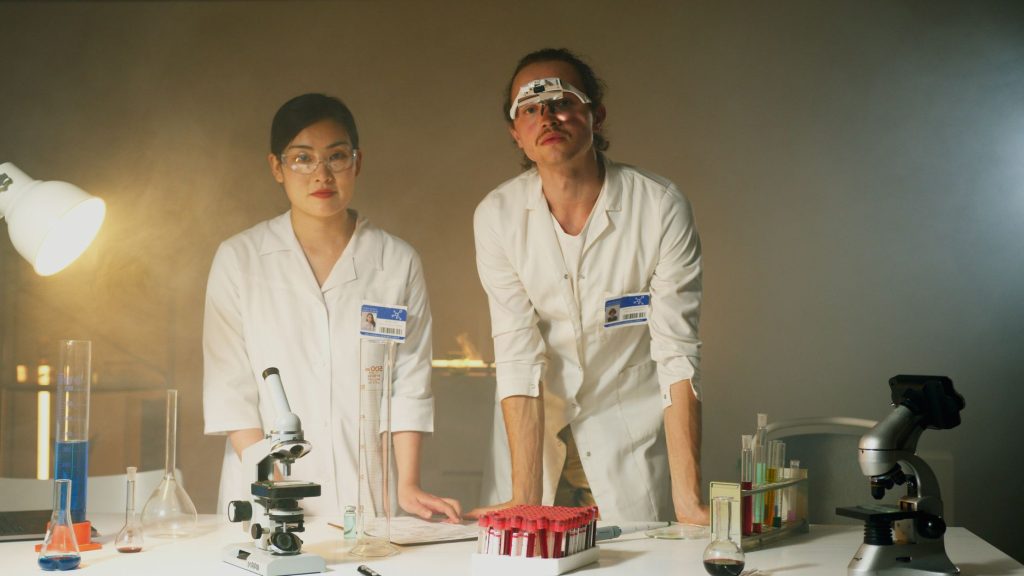
Medical researchers everywhere are investigating how scientists are learning to reshape neural pathways. For example, modern laboratories now utilize advanced tools to alter cellular connections in living subjects. Therefore, experts believe these innovations might soon transform neurological treatment methods. However, major ethical questions remain regarding permanent neurological changes. Furthermore, recent breakthroughs have highlighted both the potential and the risks of these experimental procedures. Meanwhile, specialists continue testing viral vectors and optical technologies in animal models.
How scientists are studying neural circuits
Researchers in South Korea recently tested methods to encourage cells to trim excess connections. For instance, they used modified viruses to instruct astrocytes to prune nerve cell synapses. As a result, treated mice exhibited altered behavioral responses during memory tests. Additionally, these findings provide crucial insights into brain plasticity and cellular cleanup mechanisms. Although the process seems aggressive, it demonstrates the remarkable adaptability of neural networks. Consequently, neuroscientists can map specific circuits with unprecedented precision today.
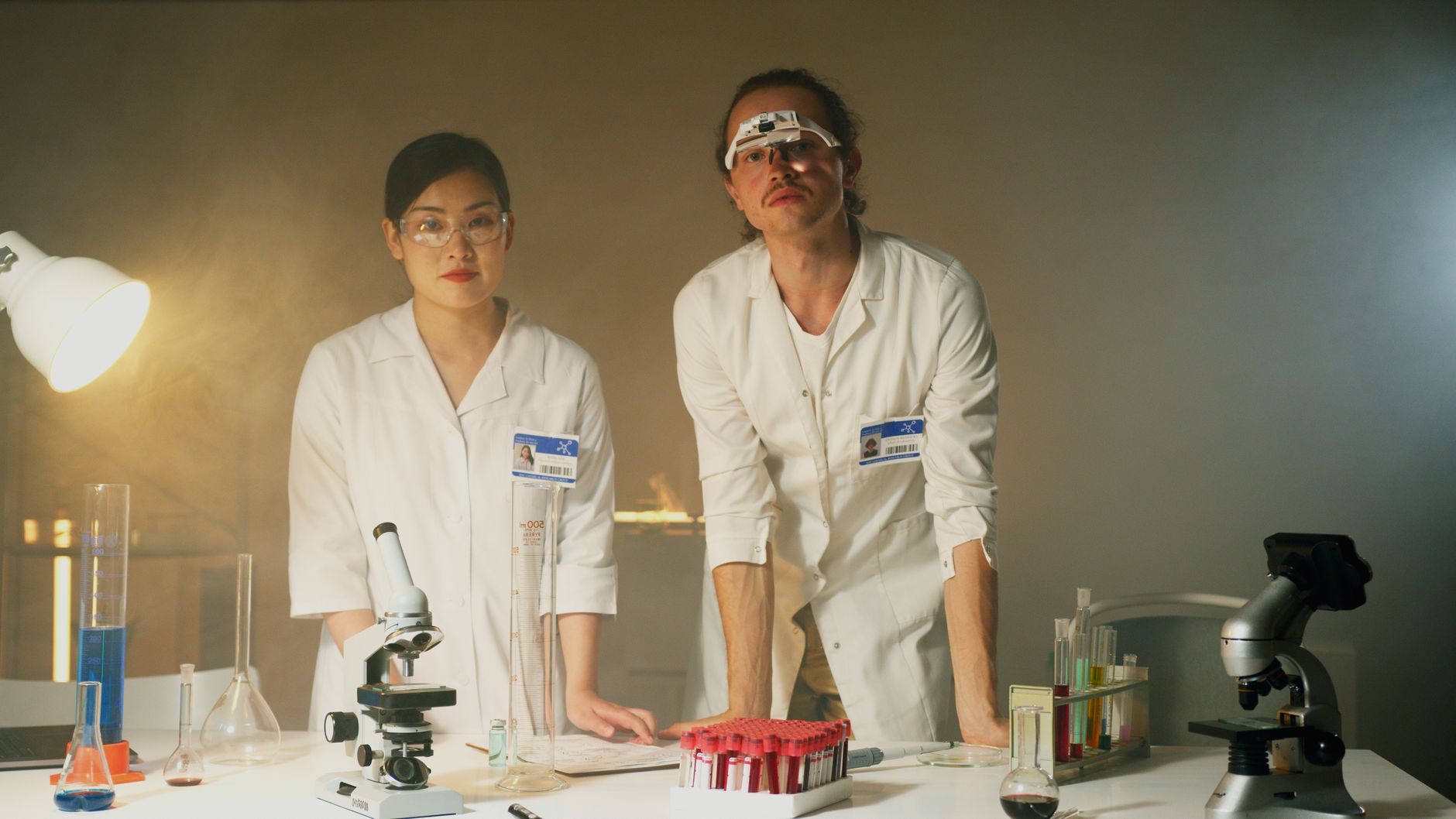
Moreover, similar studies rely on optogenetics to control cellular activity using light. Stanford University pioneers have famously advanced this remarkable optical technology over recent years. According to Nature research reports, light-sensitive proteins allow targeted neuronal activation. Therefore, investigators can switch specific circuits on or off without invasive surgery. Yet, translating these animal studies into safe human therapies remains a monumental challenge. Experts at Modween Health Insights emphasize the need for caution. Thus, clinical applications are still years away from routine medical practice.
How scientists are building new connections
At Duke University, psychiatrists are developing innovative techniques to establish artificial neural pathways. For example, the LinCx method uses engineered proteins to bridge damaged cellular gaps. Because heart surgeons bypass blocked arteries, these researchers envision similar bypasses for the brain. Meanwhile, laboratory tests on mice have shown promising results in stress management. However, unintended protein pairings could potentially create hazardous or unpredictable side effects. Therefore, strict safety protocols must be established before human clinical trials begin.
Additionally, simpler organisms like worms and zebrafish offer valuable experimental models. Because zebrafish possess transparent bodies, researchers can easily observe real-time cellular modifications. According to ScienceDirect neurology journals, these transparent organisms accelerate testing speeds. Consequently, teams can evaluate multiple genetic interventions simultaneously across different populations. Nevertheless, human brains are exponentially more complex than worm or zebrafish nervous systems. Therefore, caution is essential when extrapolating animal data to human patients.
Future implications for mental health
Ultimately, these pioneering studies could revolutionize treatments for depression, PTSD, and severe anxiety. For instance, permanently restoring faulty circuits could eliminate the need for daily medications. However, modifying memory and emotional responses raises profound philosophical and ethical questions. Furthermore, society must decide where to draw the line regarding cognitive enhancement. Meanwhile, laboratories worldwide continue refining their techniques to improve safety and efficacy. Therefore, the future of neurology holds both extraordinary promise and significant responsibility.
What impact will this Digital Trends development have over the next 12 months?
Reader poll (non-scientific). Share your perspective below or join the discussion in the comments.