
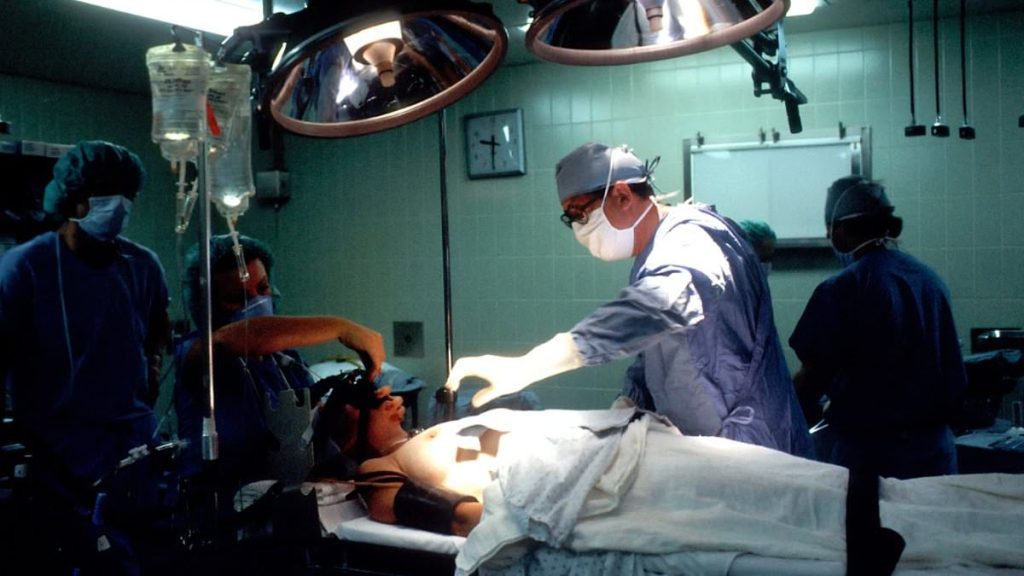
New investigative reports reveal that over 100 doctors involved in forced organ harvesting remain professionally active in Chinese hospitals today. Despite an official government ban enacted in 2015, human rights experts claim these surgeons continue to hold senior leadership roles across the medical sector. This finding challenges the transparency of the national transplant system and raises grave concerns regarding institutional accountability.
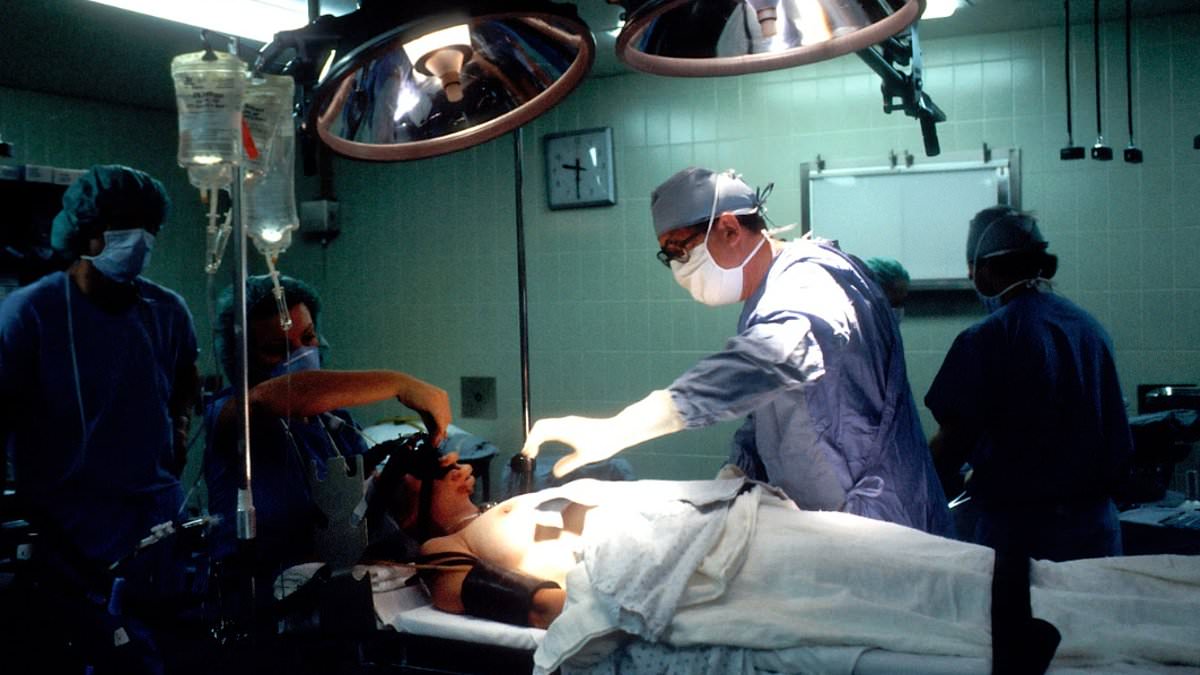
How Does Forced Organ Harvesting Operate?
Forced organ harvesting involves the extraction of vital organs from living prisoners, often without consent, to fuel a lucrative black-market industry. Historical evidence indicates that security officials once treated these detainees like livestock. Authorities frequently targeted specific minority groups and religious practitioners to meet the high demand for transplants.
Investigators from the International Coalition to End Transplant Abuse in China (ETAC) recently analyzed decades of clinical documentation. They discovered that numerous surgeons ignored the universal Dead Donor Rule during procedures. Consequently, these doctors performed vital organ procurement while victims remained alive, violating fundamental medical ethics. This unethical practice created a systemic foundation for the modern transplant sector.
Why Are Implicated Doctors Still Employed?
The Chinese government officially claimed a shift to a voluntary donation system nearly ten years ago. However, the latest ETAC report shows that over 100 compromised surgeons avoided any disciplinary action. Many of these individuals successfully ascended to senior positions, including department director roles at major medical facilities. They now train future surgeons and participate in global research conferences.
Experts argue that failing to address these past violations allows the industry to maintain a facade of legitimacy. These doctors currently work across 40 hospitals in 16 provinces, suggesting the issue is not isolated. For further reading on standard practices, visit our summary of medical ethics and standards. The persistence of these professionals suggests that deep-seated systemic issues remain unaddressed by national authorities.
What Are The Global Policy Implications?
Independent tribunals have previously concluded that state-sanctioned extractions likely continue throughout the region. Human rights advocates now urge international medical bodies to sever ties with institutions that employ these compromised physicians. Protecting the integrity of global medicine requires stricter oversight and mandatory vetting for international surgical collaborations.
Sarah Cook, the report's primary author, emphasized that these practices are deeply embedded within the current healthcare infrastructure. You can examine the full details of this Daily Mail investigation to understand the scope of the evidence. Furthermore, readers can explore our coverage on global health policy to see how international standards struggle to maintain enforcement. Transparency remains the only way to ensure that such brutal practices finally end.
Frequently Asked Questions
Did China ban organ harvesting?
China announced a ban on harvesting organs from executed prisoners in 2015, stating it would transition to a voluntary national donation system. However, recent reports from organizations like ETAC indicate that over 100 surgeons implicated in past violations still practice today.
Who are the primary victims?
Historical investigations and human rights tribunals show that victims primarily included imprisoned Falun Gong practitioners, Uyghurs, and other prisoners of conscience who faced targeted medical testing.
What is the Dead Donor Rule?
The Dead Donor Rule is a foundational ethical principle stating that vital organs must only be removed after a patient is officially declared dead, ensuring that organ retrieval never causes the death of the donor.
Frequently Asked Questions
How Does Forced Organ Harvesting Operate?
Forced organ harvesting involves the extraction of vital organs from living prisoners, often without consent, to fuel a lucrative black-market industry. Historical evidence indicates that security officials once treated these detainees like livestock. Authorities frequently targeted specific minorit
Why Are Implicated Doctors Still Employed?
The Chinese government officially claimed a shift to a voluntary donation system nearly ten years ago. However, the latest ETAC report shows that over 100 compromised surgeons avoided any disciplinary action. Many of these individuals successfully ascended to senior positions, including department d
What Are The Global Policy Implications?
Independent tribunals have previously concluded that state-sanctioned extractions likely continue throughout the region. Human rights advocates now urge international medical bodies to sever ties with institutions that employ these compromised physicians. Protecting the integrity of global medicine
Frequently Asked Questions
Did China ban organ harvesting?
China announced a ban on harvesting organs from executed prisoners in 2015, stating it would transition to a voluntary national donation system. However, recent reports from organizations like ETAC indicate that over 100 surgeons implicated in past violations still practice today.
Who are the primary victims?
Historical investigations and human rights tribunals show that victims primarily included imprisoned Falun Gong practitioners, Uyghurs, and other prisoners of conscience who faced targeted medical testing.
What impact will this Digital Trends development have over the next 12 months?
Reader poll (non-scientific). Share your perspective below or join the discussion in the comments.