
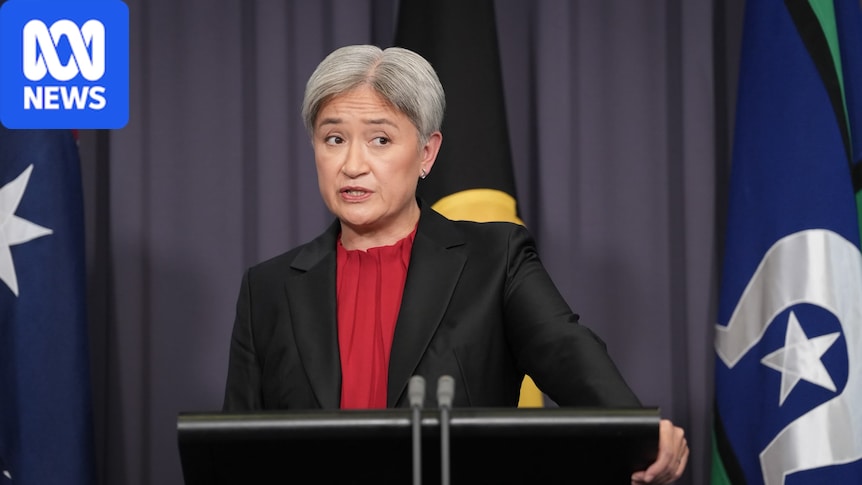
Australian Foreign Minister Penny Wong is officially reshaping federal diplomatic strategy by elevating artificial intelligence to a critical national security challenge, as detailed in reports from the Australian Broadcasting Corporation. This policy shift addresses escalating geopolitical risks, foreign interference, and algorithmic vulnerabilities that threaten democratic institutions.
Key Takeaways:
- Foreign Minister Penny Wong announced a major foreign policy shift targeting artificial intelligence as a national security risk.
- The policy framework was formally highlighted in official updates published by the Australian Broadcasting Corporation on November 22, 2026.
- Australia seeks to align international diplomatic alliances to counter foreign state actors misusing machine learning and data centers.
- Intelligence agencies warn that rapid technological advancement outpaces existing regulatory safeguards.
Last updated: November 22, 2026 UTC
What Prompted This Foreign Policy Shift on Artificial Intelligence?
Foreign Minister Penny Wong initiated this strategic pivot because rapid advancements in machine learning create unprecedented vulnerabilities for critical infrastructure and democratic elections. Intelligence assessments indicate that malicious foreign actors routinely exploit automated data systems and decentralized networks to manipulate public discourse, necessitating a coordinated international diplomatic defense.
Government officials emphasize that traditional cybersecurity frameworks are no longer sufficient to deter sophisticated state-sponsored cyber operations. By treating emerging technologies as a core diplomatic priority, Canberra aims to establish binding international norms and collaborative technology pacts with regional allies across the Indo-Pacific.
How Does Australia Plan to Regulate Cross-Border Tech Risks?
Australia intends to leverage multilateral forums, trade agreements, and bilateral intelligence-sharing partnerships to enforce strict compliance standards across global technology supply chains. According to policy briefs outlined by the Canberra Times, regulatory alignment with international partners will prevent hostile states from exploiting regulatory loopholes.
Furthermore, domestic intelligence briefings highlighted by the Sydney Morning Herald note that surging data center investments require heightened scrutiny regarding foreign ownership and operational transparency to prevent espionage.
Comparative Analysis of Regional Tech Security Measures
| Jurisdiction | Primary Strategic Focus | Key Regulatory Instrument |
|---|---|---|
| Australia | Foreign interference and infrastructure protection | Foreign policy shift by Penny Wong |
| United States | Export controls and advanced semiconductor restrictions | Federal Commerce Department mandates |
| European Union | Comprehensive algorithmic governance and user safety | EU Artificial Intelligence Act |
What Remains Unconfirmed Regarding the New Diplomatic Strategy?
While the broad strokes of the national security doctrine are established, exact funding allocations and specific sanctions for non-compliant multinational tech firms remain under review. Analysts are monitoring upcoming parliamentary sessions to see how effectively Canberra can balance open digital trade with strict defensive measures.
Explore related insights on Modween for continuous updates on global technology governance, or read our previous coverage on cybersecurity trends and artificial intelligence policy frameworks.
Frequently Asked Questions
Who announced the new artificial intelligence security policy in Australia?
Foreign Minister Penny Wong formally announced the strategic foreign policy shift to treat artificial intelligence as a primary national security threat. This announcement was extensively covered by the Australian Broadcasting Corporation on November 22, 2026.
What specific risks does Penny Wong's policy target?
The policy targets state-sponsored foreign interference, automated disinformation campaigns, and vulnerabilities within rapidly expanding domestic data center networks. Intelligence reports indicate these technological advancements pose direct risks to national sovereignty and democratic stability.
How are international allies responding to Australia's initiative?
Regional partners and Western allies are actively engaging with Australian diplomats to establish cohesive regulatory standards and intelligence-sharing protocols. The initiative seeks to prevent hostile actors from exploiting gaps in cross-border technology laws.
Where was the primary reporting published?
The initial breaking news and policy analysis were published by the Australian Broadcasting Corporation, with supplementary reporting provided by major national mastheads.
What are the next steps for federal implementation?
Federal agencies are currently drafting legislative updates and compliance guidelines for data center operators, with further parliamentary announcements expected in the upcoming legislative quarter of 2027.
Image source: https://www.abc.net.au/news/2026-11-22/federal-politics-penny-wong-foreign-policy-ai-threat/107414236
What impact will this Artificial Intelligence development have over the next 12 months?
Reader poll (non-scientific). Share your perspective below or join the discussion in the comments.